Satellite Imagery Reveals U.S. Aerial Tanker Buildup in Qatar
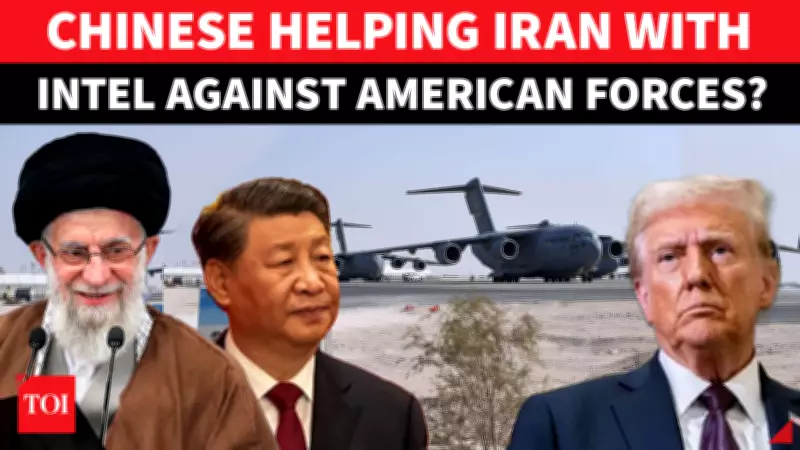
Recent commercial satellite images from China have captured a notable surge in U.S. Air Force aerial refueling assets stationed at Al Udeid Air Base in Qatar. This development comes amid escalating geopolitical tensions between the United States and Iran, raising questions about potential military preparations in the region.
Significant Deployment of Refueling Tankers
According to analysis by Military Watch Magazine, approximately 16 KC-135 and KC-46 aerial tankers were deployed across the Atlantic Ocean, beginning on June 15. This strategic movement has substantially expanded the presence of the U.S. tanker fleet in the Middle Eastern theater, marking one of the most significant aerial refueling capability redeployments in recent months.
The imagery specifically highlights the concentration of these critical assets at Qatar's Al Udeid Air Base, which serves as a crucial logistics hub for U.S. military operations throughout the region. The base has long been instrumental in supporting aerial missions across the Middle East and Central Asia.

Broader Context of Regional Tensions
This tanker buildup is widely interpreted as part of a broader strategic repositioning of U.S. aerial refueling capabilities amid ongoing diplomatic and military tensions with Iran. Aerial refueling tankers like the KC-135 and KC-46 are essential for extending the operational range and endurance of combat aircraft, enabling sustained air operations over vast distances.
The timing of this deployment is particularly noteworthy, as it coincides with increased rhetoric and military posturing between Washington and Tehran. Such assets would be indispensable for any potential extended air campaign, providing the necessary support for fighter jets, bombers, and surveillance aircraft operating in the region.
Implications for U.S.-Iran Relations
While the U.S. Department of Defense has not officially commented on this specific deployment, military analysts suggest that such movements are often precautionary measures designed to enhance operational readiness. The presence of additional aerial tankers could support various scenarios, including:
- Enhanced surveillance missions along Iran's borders and in international airspace
- Extended combat air patrols to deter potential Iranian aggression
- Support for potential airstrikes should diplomatic efforts fail
- Logistical reinforcement for existing U.S. military operations in the region
The satellite imagery, captured by Chinese commercial satellites, adds a layer of transparency to military movements that were previously less visible to the public. This development underscores how commercial space technology is increasingly influencing global security monitoring and analysis.
As tensions continue to simmer between the United States and Iran, the strategic positioning of aerial refueling assets in Qatar represents a tangible manifestation of military preparedness. The coming weeks will reveal whether this buildup remains a precautionary measure or evolves into a more active component of U.S. strategy toward Iran.