UK Foreign Secretary Condemns Iran's Attack on US Embassy in Riyadh
In a strong diplomatic rebuke, UK Foreign Secretary David Cameron has labeled Iran's recent missile strike on the US embassy in Riyadh, Saudi Arabia, as "completely unacceptable." The incident, which has escalated tensions in the volatile Middle East region, prompted immediate condemnation from British officials, highlighting growing international concern over Iran's aggressive actions.
Details of the Attack and Immediate Fallout
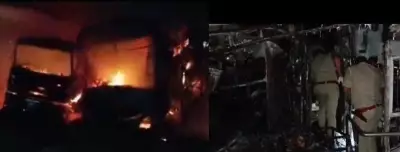
The attack involved Iranian forces launching missiles that targeted the US embassy compound in Riyadh, causing significant damage to the facility. While initial reports indicate no casualties among embassy staff, the strike has raised alarms about the safety of diplomatic missions and the potential for broader conflict. The US embassy, a symbol of American presence in the region, was directly hit, marking a severe breach of international norms and protocols.
Foreign Secretary Cameron emphasized the gravity of the situation, stating that such actions undermine regional stability and violate diplomatic immunity. He called for an immediate cessation of hostilities and urged all parties to engage in dialogue to prevent further escalation. The UK's stance aligns with broader Western efforts to curb Iran's military provocations, which have included similar strikes in the past.

International Reactions and Diplomatic Implications
The UK's condemnation comes amid a flurry of international responses. Other Western nations, including France and Germany, have echoed similar concerns, while Saudi Arabia has expressed outrage over the violation of its sovereignty. The attack has strained already tense relations between Iran and the West, complicating ongoing negotiations over nuclear agreements and regional security.
Cameron's statement underscores the UK's commitment to upholding international law and protecting diplomatic missions. He warned that such attacks could lead to unintended consequences, including retaliatory measures and a destabilization of the entire Middle East. The incident has also sparked debates within the United Nations, with calls for emergency sessions to address the crisis.
Broader Context of Middle East Tensions
This attack is not an isolated event but part of a pattern of Iranian aggression in the region. Iran has been involved in numerous conflicts, including proxy wars in Yemen and Syria, and has previously targeted US assets. The strike on the US embassy in Riyadh is seen as a direct challenge to American influence and a test of international resolve.
Experts suggest that the UK's strong response reflects a broader strategy to deter further Iranian actions and support allies like the US and Saudi Arabia. The situation remains fluid, with diplomatic channels being activated to de-escalate tensions. However, the risk of miscalculation and wider conflict looms large, making Cameron's call for restraint all the more critical.
In conclusion, the UK's condemnation of Iran's attack on the US embassy in Riyadh highlights the urgent need for diplomatic solutions in the Middle East. As tensions simmer, the international community watches closely, hoping for a peaceful resolution to this latest provocation.