In a significant statement outlining the future of a major global oil producer, U.S. President Donald Trump has revealed his administration's precise strategy for Venezuela. This comes in the wake of the dramatic custody of the nation's former leader, Nicolás Maduro.
Trump's "Trillions of Dollars" Vision for Venezuela
While addressing questions regarding recent U.S. actions in the South American country, President Trump made the economic motive unequivocally clear. He emphasized that Venezuela's vast natural resources, particularly its oil reserves, are central to the American plan. The President stated that the country's potential is "worth trillions of dollars," framing it as a monumental economic opportunity now accessible due to the change in political circumstances.
U.S. Companies Eager to Enter the Market
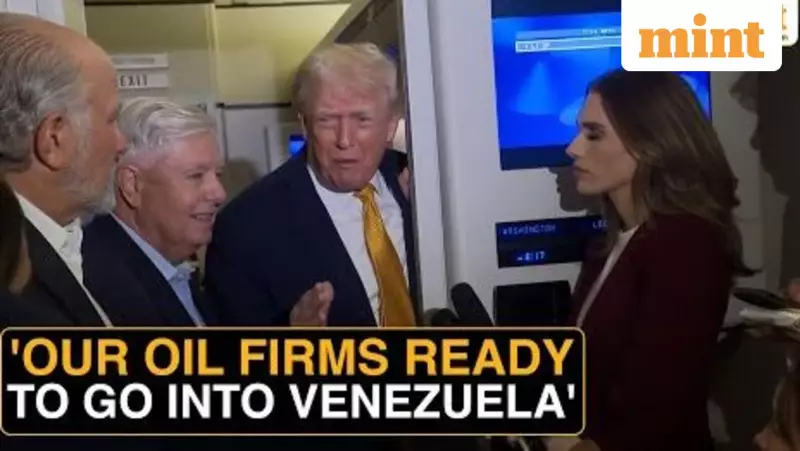
President Trump highlighted the intense interest from the American private sector. He pointed out that U.S. energy companies are "desperate to go into Venezuela" and commence operations. This eagerness stems from Venezuela's status as home to the world's largest proven oil reserves, which have been largely untapped or underperforming due to years of sanctions, economic crisis, and political instability under the Maduro regime.

The administration's plans, now being articulated, suggest a coordinated effort to facilitate this entry. The implied roadmap involves stabilizing the political environment to create secure conditions for massive foreign investment and technical expertise to revitalize the crippled oil industry.
Geopolitical and Economic Implications
The revelation, made on January 5, 2026, marks a pivotal moment in Western Hemisphere relations and global energy markets. With Maduro in custody, a major obstacle to a pro-U.S. alignment in Venezuela has been removed, allowing Trump to articulate this resource-focused agenda openly.
The potential large-scale entry of U.S. firms could lead to a substantial increase in global oil supply, affecting prices and the geopolitical influence of other oil-exporting nations. For Venezuela, it promises a possible influx of capital and technology but also raises questions about sovereignty and the long-term control of its national assets.
Analysts will be watching closely to see how this plan is implemented, the reaction from other global powers, and its ultimate impact on the Venezuelan people and the international energy landscape.