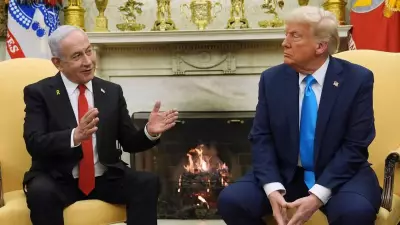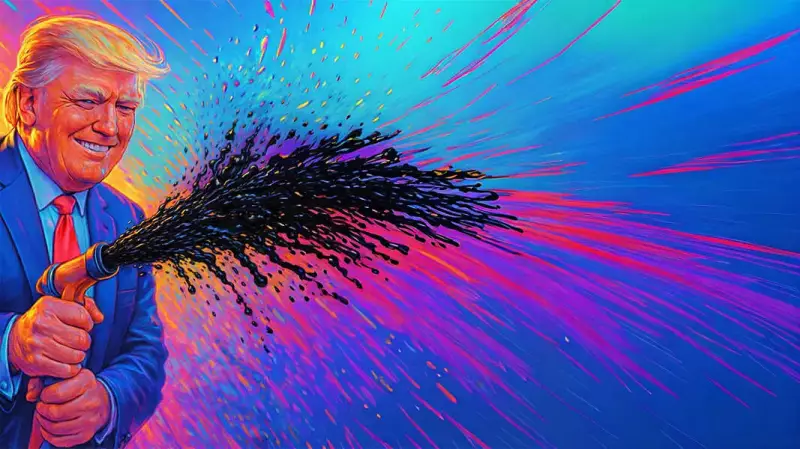
In a dramatic move that sent shockwaves across the globe, former US President Donald Trump authorised a military intervention in Venezuela, leading to the public capture of the country's leader, Nicolás Maduro. The operation, launched on January 4, 2026, was immediately framed by the Trump administration as a mission to restore democracy and combat narco-terrorism. However, a piercing new analysis suggests these stated goals were merely a facade for a more cynical, domestic political objective.
The Real Motive Behind the Military Action
According to expert commentators like Dan Bancillon, the primary driver for this high-stakes military campaign was not the resolution of Venezuela's protracted crisis or the stabilisation of the Latin American region. While outcomes such as dismantling drug cartels or installing a democratic government were presented to the public, they are considered secondary in this view. The core, unstated purpose, as per the analysis, was a raw and calculated play for political power and a boost in domestic approval ratings.
The timing and very public nature of announcing Maduro's capture point towards a spectacle designed for a television audience rather than a covert strategic victory. The operation provided a singular, powerful narrative of strength and decisive action, directly aimed at galvanising Trump's political base and reshaping the national conversation in his favour. In essence, the war was less about Caracas and more about capturing the attention and admiration of voters at home.

Secondary Outcomes and Regional Fallout
While the political calculus took centre stage, the operation has undeniably altered the geopolitical landscape of South America. The physical removal of Nicolás Maduro from power creates a sudden and volatile power vacuum in a nation already crippled by economic collapse and humanitarian suffering. The long-term consequences for Venezuelan democracy and regional stability remain deeply uncertain and fraught with risk.
Neighbouring countries and global powers are now forced to react to this unilateral American intervention. The move could potentially lead to further instability, refugee crises, and diplomatic confrontations, outcomes that appear to have been deemed acceptable collateral damage in the pursuit of a domestic political win. The action sets a precedent for direct military involvement in the hemisphere that will be analysed and debated for years to come.
A Dangerous Precedent for Political Strategy
This interpretation of events raises alarming questions about the intersection of military force and electoral politics. If the primary lens for evaluating such a significant international action is its impact on opinion polls and media cycles, it represents a profound shift in strategic thinking. It suggests that complex foreign policy challenges can be reduced to tools for domestic campaigning, with real-world lives and international order hanging in the balance.
The event of January 4, 2026, will be recorded in history books as the day Nicolás Maduro was captured. However, the underlying story, as this analysis posits, is about the relentless pursuit of political power, demonstrating how a foreign conflict can be weaponised for a ratings war back home.