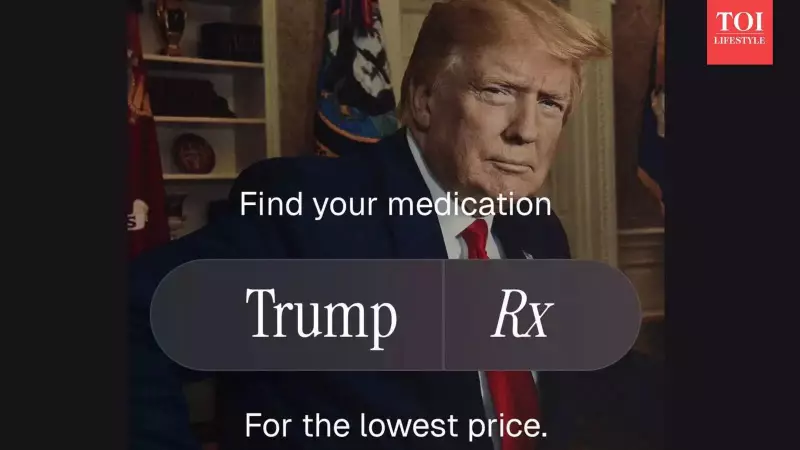
In a major move set to shake up the American healthcare landscape, former President Donald Trump announced a bold new initiative in late 2025 aimed directly at the nation's soaring prescription drug costs. Branded as "TrumpRx," the program promises to deliver unprecedented discounts to consumers by bypassing traditional middlemen and striking deals directly with pharmaceutical giants.
What is the TrumpRx Initiative?
At its heart, TrumpRx is a federal program centered around a government-run digital portal, TrumpRx.gov. The website, slated to go live in January 2026, will not sell drugs itself but will act as a bridge, connecting patients directly to the lowest available prices from manufacturers. The core idea is to eliminate costly intermediaries like pharmacy benefit managers (PBMs) and insurers, aiming for a more direct and transparent purchasing model.
The policy is rooted in an executive order for "Most Favored Nation" (MFN) pricing, which mandates that drug prices in the US align with the lowest costs paid in other wealthy nations such as Canada, Germany, France, and Japan. This seeks to close the notorious gap where Americans often pay multiples more for identical medications.

Deals, Discounts, and Key Players
The administration claims the initiative is more than just rhetoric, having already secured agreements with major drugmakers. Pfizer was the first to sign on under the MFN framework, committing to offer select drugs at OECD-matched prices. AstraZeneca followed, agreeing to discounts of up to 80% for some medications under the program.
Perhaps most notably, TrumpRx is poised to include popular and expensive drugs like GLP-1 medications for weight loss and diabetes (e.g., Wegovy, Zepbound). Through deals with companies like Eli Lilly and Novo Nordisk, prices could drop to a reported $150–$350 per month, a significant reduction from current rates. The program also targets discounts on infertility (IVF) drugs.
Partnerships are extending beyond manufacturers. Health insurers like Cigna and pharmacy retailers like CVS have agreed to participate in linked pricing initiatives for specific drugs, broadening the potential reach.
Potential Impact and Mounting Debate
President Trump has made striking claims, suggesting drug price reductions of 400% to 600% are possible, arguing that Americans should not "shoulder the cost of drug development for the world." Proponents see TrumpRx as a revolutionary step towards patient empowerment, price transparency, and a fundamental shift in the drug distribution system.
However, health policy analysts and critics urge caution. They point out that TrumpRx is not insurance; it is an alternative direct-purchase platform. Its utility may be greatest for the uninsured or underinsured, as many with comprehensive coverage already receive negotiated discounts. Skeptics label it a "splashy announcement" that may lack substance without broader reforms to the roles of PBMs and insurance networks.
The bottom line is that TrumpRx represents one of the most ambitious health policy plays of 2025. As the January 2026 launch of TrumpRx.gov approaches, the nation watches to see if it will deliver on its promise of an affordability revolution or become another headline-grabbing policy with limited real-world impact.