Trump's State of the Union Address: A Comprehensive Overview
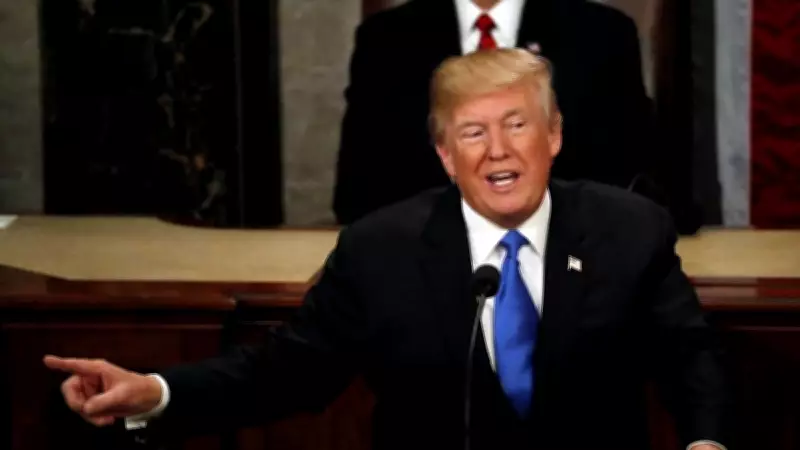
Former President Donald Trump recently delivered a major State of the Union address, marking a pivotal moment in his political career and the broader landscape of US governance. This speech, which took place in Washington D.C., served as a platform for Trump to articulate his policy priorities, reflect on his administration's achievements, and set the stage for future political endeavors. The address was closely watched by both domestic and international audiences, given its potential implications for upcoming elections and global diplomatic relations.
Key Policy Announcements and Economic Focus
In his address, Trump emphasized several core areas, with a strong focus on economic growth and national security. He highlighted initiatives aimed at boosting domestic manufacturing, reducing trade deficits, and creating jobs through tax reforms and deregulation. Trump also reiterated his commitment to border security, calling for enhanced measures to control immigration and protect American sovereignty. Additionally, he discussed foreign policy, including relations with key allies and adversaries, stressing a strategy of "America First" in international dealings.
Reactions from Political Figures and Public Response
The speech elicited mixed reactions across the political spectrum. Supporters praised Trump's bold vision and unwavering stance on issues like immigration and economic nationalism, viewing it as a rallying cry for his base. Critics, however, questioned the feasibility of his proposals and raised concerns about divisive rhetoric. Public response was similarly polarized, with polls indicating a split along partisan lines. The address has sparked debates in Congress and among policymakers, influencing discussions on legislative priorities and electoral strategies.

Implications for US Politics and Global Relations
Trump's State of the Union address has significant implications for both domestic politics and international affairs. Domestically, it sets the tone for the upcoming election cycle, potentially shaping voter sentiment and party platforms. In terms of global relations, the address signals a continued emphasis on unilateral actions and renegotiated trade deals, which could impact alliances and economic partnerships worldwide. Observers note that this speech may influence diplomatic engagements and policy decisions in regions like Europe, Asia Pacific, and the Middle East.
Analysis of Speech Delivery and Media Coverage
The delivery of the address was characterized by Trump's signature style, blending direct messaging with rhetorical flourishes. Media coverage varied widely, with some outlets focusing on the substantive policy points, while others highlighted the political theater and controversies. The event was widely broadcast and analyzed across news platforms, contributing to ongoing narratives about Trump's influence and the state of US democracy. This coverage plays a crucial role in shaping public perception and political discourse in the lead-up to future electoral contests.