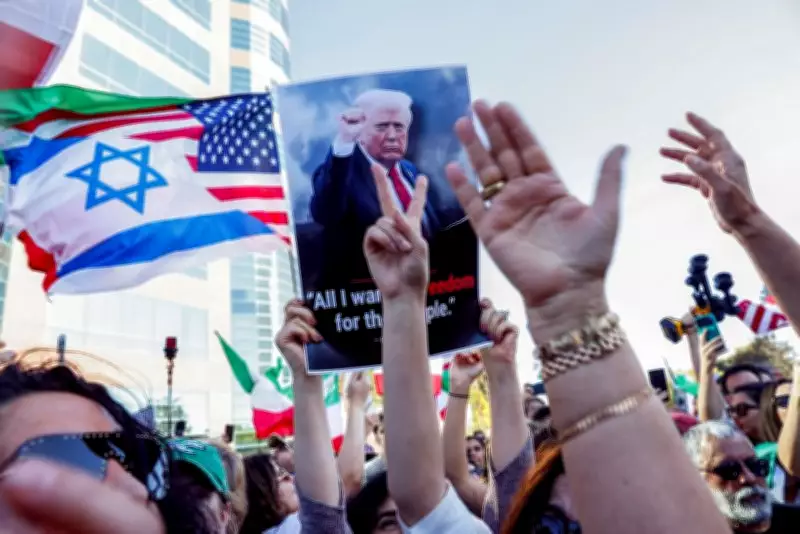
Trump Advocates for Regime Change in Iran Following Military Strikes
In the wake of recent military actions, former President Donald Trump has publicly discussed the possibility of regime change in Iran, reigniting debates over foreign policy strategies in the Middle East. His comments come after a series of strikes that have escalated tensions between the United States and Iran, highlighting ongoing geopolitical friction.
Historical Precedents Cast Doubt on Feasibility
However, a look back at history reveals that achieving regime change in Iran could be an exceptionally challenging endeavor. Past attempts by various global powers to alter political systems in the region have often led to prolonged conflicts, instability, and unintended consequences, rather than swift or successful transitions.
Experts point to instances such as the Iraq War and interventions in Afghanistan, where regime change efforts resulted in complex, long-term struggles rather than immediate solutions. These examples underscore the difficulties involved in forcibly reshaping a nation's governance, particularly in a country like Iran with deep-rooted political structures and strong national identity.

Complexities of Iranian Political Landscape
Iran's political system, characterized by its theocratic elements and robust military capabilities, presents unique obstacles to any regime change initiative. The country has demonstrated resilience against external pressures, with its leadership often rallying public support in the face of foreign threats.
Moreover, regional dynamics and alliances further complicate the picture, as neighboring countries and global actors have vested interests in Iran's stability or change. This interconnected web of relationships means that any move towards regime change could trigger broader regional repercussions.
Potential Implications and Future Outlook
If pursued, Trump's suggested approach could have significant implications for international relations, security, and economic stability in the Middle East. It might lead to increased military engagements, humanitarian crises, or shifts in global oil markets, affecting countries worldwide.
As discussions continue, policymakers and analysts are weighing the risks and feasibility of such strategies, considering both historical lessons and current geopolitical realities. The path forward remains uncertain, with many advocating for diplomatic solutions over military interventions to address tensions with Iran.