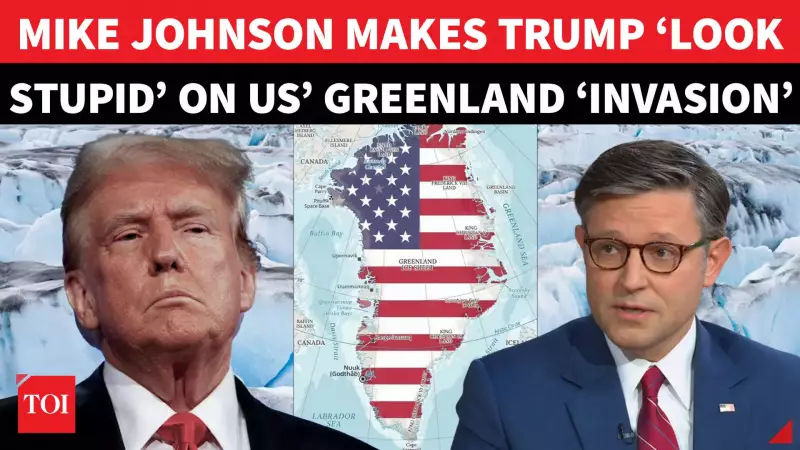
A major political crisis has broken out in Washington D.C. and European capitals after the White House indicated that President Donald Trump is seriously exploring the possibility of acquiring Greenland, and has not ruled out using military force to do so. This startling revelation, made on January 7, 2026, has sent shockwaves through the international community, dividing Trump's own supporters and causing alarm within the NATO alliance.
White House Doubles Down on Arctic Ambition
The Trump administration has firmly reiterated its stance, declaring Greenland a critical priority for U.S. national security. Officials confirmed that all options, including military measures, are being considered to establish American dominance in the strategically vital Arctic region. The White House justification centres on countering the growing influence and perceived threats from global rivals China and Russia in the far north. This aggressive posture marks a significant escalation in Trump's long-standing interest in the Danish autonomous territory.
Backlash from Allies and Inner Circle
The proposal has met with fierce resistance from multiple fronts. European leaders have reacted with strong pushback, viewing the move as a destabilizing power grab. More notably, significant dissent has emerged from within Trump's own political circle. U.S. House Speaker Mike Johnson publicly distanced himself from the President's push, explicitly stating that the idea of a forced acquisition is "inappropriate". This open disagreement highlights a rare split within the MAGA movement and the Republican leadership, suggesting the plan is causing internal turmoil.

NATO Anxiety and Global Repercussions
The announcement has plunged the NATO alliance into a state of panic and confusion. Member nations are deeply concerned that this unilateral action could undermine alliance cohesion and set a dangerous precedent for territorial disputes. The situation is further compounded by other aggressive foreign policy moves from the Trump administration, including actions in Venezuela and threats towards Iran, painting a picture of a volatile global landscape. The fear among European allies is that the Greenland move is merely the first step in a broader strategy to exert control through coercion.
As the world reacts, the focus remains on whether President Trump will proceed with this controversial plan. The strong opposition from a key ally like Speaker Johnson, combined with international condemnation, sets the stage for a major political battle that could define the final year of his presidency and reshape geopolitical dynamics in the Arctic.