Trump's 'Bored of Peace' Remark Ignites Global Debate on Political Rhetoric
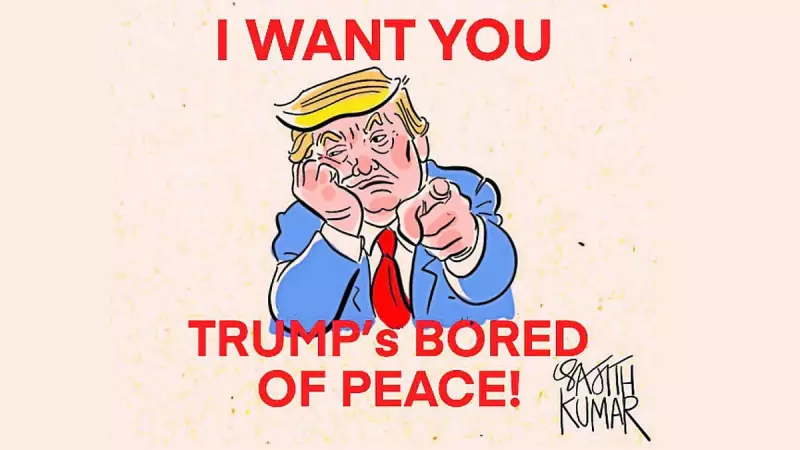
In a recent statement that has sent shockwaves across the international community, former United States President Donald Trump expressed a sentiment of being 'bored of peace'. This provocative comment has quickly become a focal point for discussions among political analysts, diplomats, and the general public worldwide. The remark, made in a context that remains under scrutiny, raises critical questions about the role of leadership in fostering or undermining global stability.
Analyzing the Impact on International Relations
The implications of such a statement from a figure of Trump's stature are profound. As a former leader of one of the world's most influential nations, his words carry significant weight and can shape perceptions in diplomatic circles. Experts are now debating whether this reflects a broader trend in political discourse, where conflict is sometimes sensationalized over peaceful resolutions. This incident highlights the delicate balance between free speech and responsible leadership in an interconnected world.
Public and Political Reactions to the Controversy
Reactions to Trump's comment have been swift and varied. Supporters argue that it was a candid expression, perhaps taken out of context, while critics view it as a dangerous normalization of conflict. Key points from the ongoing debate include:

- Concerns over how such rhetoric might influence ongoing peace processes in volatile regions.
- Discussions on the ethical responsibilities of political figures in shaping public opinion.
- Analyses of historical precedents where similar statements have impacted international relations.
This controversy underscores the power of words in politics, especially in an era where social media amplifies every utterance. It serves as a reminder that leaders' statements can have real-world consequences, affecting everything from stock markets to diplomatic negotiations.
Broader Implications for Global Stability
Beyond the immediate uproar, Trump's remark prompts a deeper reflection on the state of global affairs. In a world grappling with multiple conflicts and tensions, the idea of being 'bored of peace' challenges the very foundations of international cooperation. It raises questions about:
- The prioritization of conflict resolution in political agendas.
- The role of media in framing such statements and their potential to escalate tensions.
- How citizens and governments can advocate for sustained peace efforts amidst polarizing rhetoric.
As this story continues to unfold, it will likely influence discussions in forums like the United Nations and among think tanks focused on peacebuilding. The incident is a stark example of how political cartoons and opinion pieces, such as the one that inspired this news, can capture and critique complex geopolitical realities in a digestible format.