Trump Issues Stern Warning to Minneapolis Mayor Amid Immigration Tensions
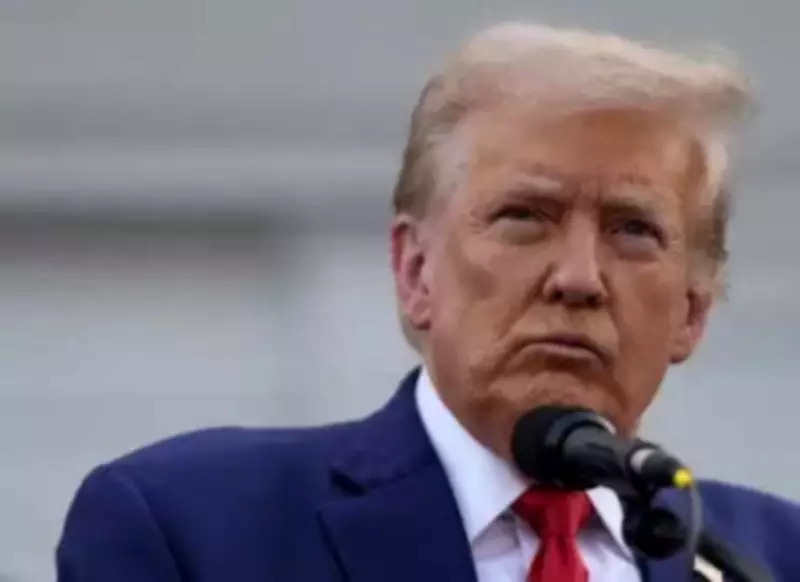
President Donald Trump delivered a sharp warning to Minneapolis Mayor Jacob Frey on Wednesday, stating that the mayor is "playing with fire" by refusing to cooperate with federal authorities on immigration enforcement. This confrontation comes in the wake of the brutal killings of two US protesters by immigration agents in Minneapolis, which has ignited nationwide outrage and intensified debates over immigration policies.
Contradictory Statements from the President
In a statement posted on his Truth Social platform, Trump accused Frey of committing a "very serious violation of the law" for his lack of cooperation. However, this aggressive stance contradicted the 79-year-old Republican president's earlier remarks, where he expressed a desire to de-escalate the situation. The shift in tone highlights the volatile nature of the ongoing immigration crackdown and the political pressures surrounding it.
Leadership Changes and Justifications
In response to the escalating tensions, Trump has made significant changes to the leadership of immigration agents deployed in Minneapolis. A less confrontational figure has been put in charge, signaling a potential shift in strategy. Meanwhile, top White House official Stephen Miller, known for his hard-line stance, initially justified the killing of a protester named Pretti by labeling him a "would-be assassin." However, Miller later retreated from this position, acknowledging that the agents involved "may not have been following protocol."

National Focus on Minneapolis
Despite these adjustments, Minneapolis remains the epicenter of national tensions over the immigration crackdown. The White House maintains that its operations target hardened criminals, but the use of masked, heavily armed agents to apprehend individuals from streets, homes, and workplaces has caused widespread shock and concern among the public. This situation underscores the deep divisions and challenges in balancing security measures with civil liberties in the United States.