Trump Warns Iran of Severe Retaliation Over Potential Strait of Hormuz Blockade
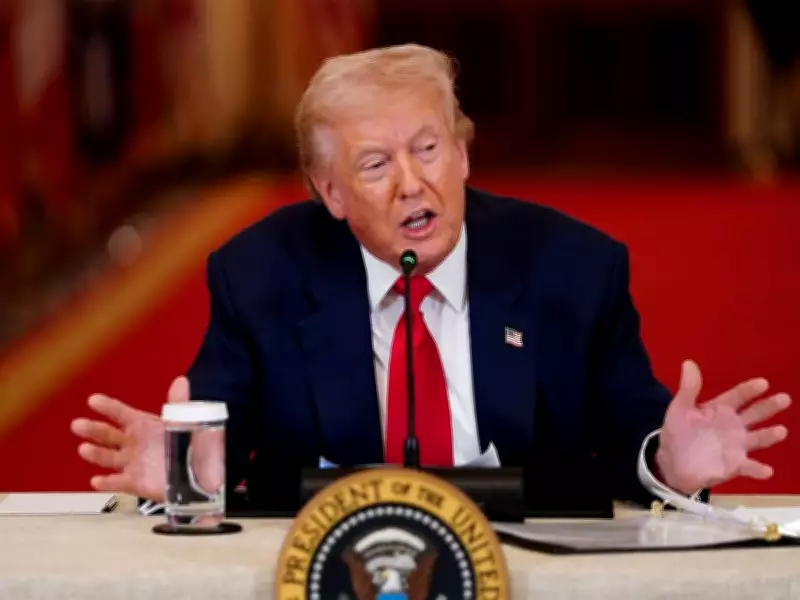
In a stark and forceful statement, former United States President Donald Trump has issued a direct warning to Iran, threatening severe retaliation if the nation attempts to block the strategically vital Strait of Hormuz. Trump emphasized that any such action by Iran would be met with a response that is "twenty times harder" than any previous measures, underscoring the high stakes involved in this geopolitical flashpoint.
The Critical Importance of the Strait of Hormuz
The Strait of Hormuz is one of the world's most crucial maritime chokepoints, located between the Persian Gulf and the Gulf of Oman. It serves as a primary conduit for global oil shipments, with approximately one-fifth of the world's oil supply passing through its narrow waters daily. This includes a significant portion of oil exports from major producers such as Saudi Arabia, the United Arab Emirates, Kuwait, and Iraq. Any disruption to this vital artery could have profound implications for global energy markets, potentially leading to spikes in oil prices and economic instability worldwide.
Context of Trump's Warning and Historical Tensions
Trump's warning comes amid ongoing tensions between the United States and Iran, which have been simmering for decades but intensified during his presidency. The relationship has been marked by several key events, including the US withdrawal from the Iran nuclear deal in 2018, the imposition of stringent economic sanctions, and the targeted killing of Iranian General Qasem Soleimani in 2020. Iran has previously threatened to close the Strait of Hormuz in response to US sanctions, citing it as a defensive measure to protect its economic interests. Trump's latest remarks appear to be a preemptive deterrent, aimed at dissuading Iran from taking any aggressive steps that could escalate into a broader conflict.

Potential Implications and Global Reactions
The warning from Trump raises significant concerns about the potential for military escalation in the region. Key implications include:
- Increased Military Posturing: Both the US and Iran might bolster their naval presence in the area, heightening the risk of accidental clashes.
- Impact on Global Oil Markets: Even the threat of a blockade could lead to volatility in oil prices, affecting economies reliant on stable energy supplies.
- Diplomatic Ramifications: Other nations, including European allies and regional powers, may be drawn into the dispute, complicating international efforts to de-escalate tensions.
International observers are closely monitoring the situation, as any conflict in the Strait of Hormuz could disrupt not only oil flows but also broader maritime trade routes. The United Nations and other global bodies have historically called for peaceful resolutions to such disputes, emphasizing the need for dialogue over confrontation.
Analysis of Trump's Strategy and Future Outlook
Trump's use of strong rhetoric is consistent with his "maximum pressure" approach towards Iran during his tenure. By issuing this warning, he aims to project strength and deterrence, potentially influencing current US foreign policy under the Biden administration. However, critics argue that such statements could inflame tensions further, making diplomatic solutions more challenging. Looking ahead, the situation remains fluid, with factors such as ongoing nuclear negotiations, regional alliances, and internal political dynamics in both countries playing crucial roles. The international community will be watching for any signs of escalation or de-escalation in the coming months, as the stability of this critical region hangs in the balance.