Trump Seeks Role in Iran's Leadership Transition
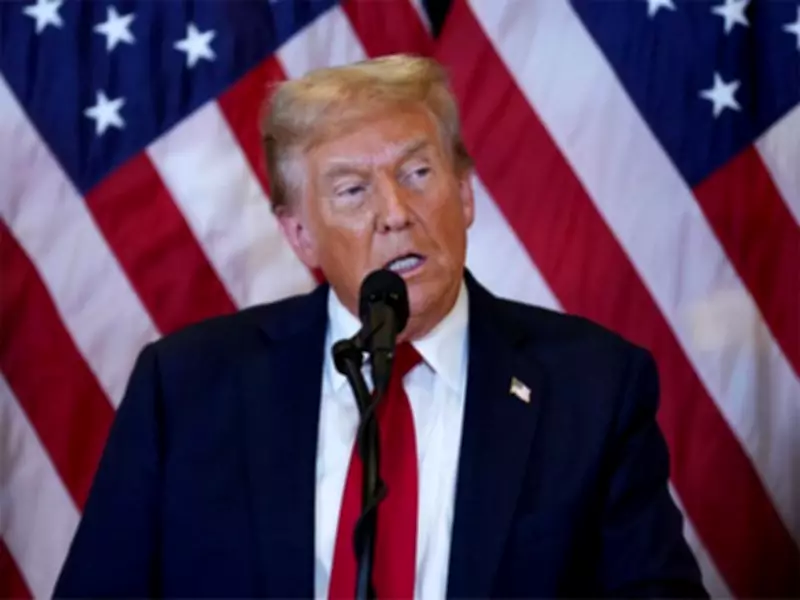
In a recent development that has stirred international discourse, former United States President Donald Trump has publicly expressed his desire to be involved in the selection of Iran's next Supreme Leader. This statement, made during a political gathering, underscores Trump's ongoing engagement with foreign policy matters despite his departure from office. The remarks have ignited a flurry of reactions from analysts, diplomats, and political observers worldwide, raising questions about the boundaries of external influence in sovereign nations' internal affairs.
Context and Implications of Trump's Statement
The current Supreme Leader of Iran, Ayatollah Ali Khamenei, is 85 years old and has held the position since 1989, leading to widespread speculation about his eventual succession. Trump's comments come at a time of heightened tensions between the United States and Iran, historically marked by conflicts over nuclear agreements, regional influence, and economic sanctions. By voicing his intention to participate in the leadership selection process, Trump is seen as attempting to shape Iran's future political landscape in a manner that aligns with American interests, potentially altering the dynamics of Middle Eastern geopolitics.
Reactions from the International Community

Responses to Trump's statement have been mixed, with some viewing it as a bold move to assert US influence, while others criticize it as an overreach into Iran's domestic politics. Iranian officials have reportedly dismissed the idea, emphasizing that the selection of the Supreme Leader is an internal matter determined by Iran's religious and political institutions, such as the Assembly of Experts. Meanwhile, allies and adversaries alike are closely monitoring the situation, as it could impact diplomatic relations and stability in the region.
Analysis of Potential Outcomes
If Trump were to somehow gain influence in this process, it could lead to significant shifts in Iran's policies, potentially easing sanctions or fostering new negotiations. However, such involvement is fraught with challenges, including legal and ethical concerns about foreign interference. Experts note that Iran's leadership selection is deeply rooted in its theocratic system, making external intervention unlikely without substantial internal support or upheaval.
Key Points to Consider:
- Trump's desire highlights his continued focus on Iran as a key foreign policy issue.
- The statement may be aimed at rallying his political base or positioning himself for future electoral campaigns.
- It raises broader questions about the role of former leaders in international affairs.
In summary, Trump's expressed wish to be involved in choosing Iran's next leader adds a new layer to the complex US-Iran relationship, with potential ramifications for global politics and regional security. As developments unfold, the world watches to see how this bold assertion will influence diplomatic engagements and internal processes in Iran.