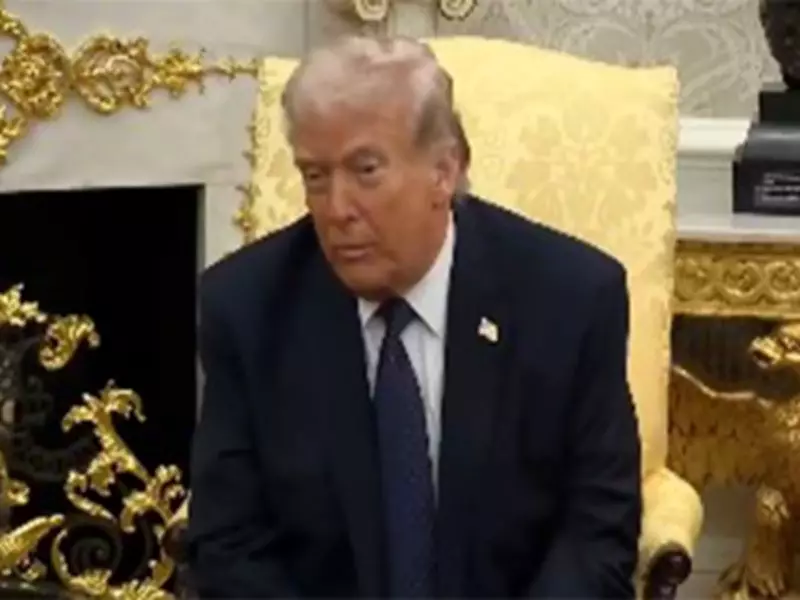
Trump Justifies Iran Strike as Preemptive Defense Against Imminent Threat
Former United States President Donald Trump has publicly defended the controversial 2020 drone strike that resulted in the death of Iranian General Qasem Soleimani. In recent remarks, Trump asserted that the United States military action was a necessary and preemptive measure to thwart what he described as an imminent attack planned by Iran against American assets and personnel.
Details of the Strike and Trump's Rationale
The strike, which occurred on January 3, 2020, near Baghdad International Airport in Iraq, targeted General Qasem Soleimani, the commander of Iran's Quds Force, a branch of the Islamic Revolutionary Guard Corps. Trump emphasized that intelligence indicated Soleimani was actively plotting attacks on US embassies and other interests in the region. He stated, "If we didn't do it, they would've attacked first," highlighting the administration's view that the operation was defensive in nature to prevent loss of American lives.
This justification aligns with the Trump administration's earlier statements following the strike, which cited an "imminent threat" to US personnel as the primary reason for the action. The incident escalated tensions between the US and Iran, leading to retaliatory missile strikes by Iran on US bases in Iraq and bringing the two nations to the brink of a broader conflict.

Broader Implications and International Reactions
The strike and Trump's ongoing defense of it have significant implications for US foreign policy and international relations. Critics argue that the action lacked sufficient congressional authorization and risked provoking a wider war, while supporters contend it demonstrated decisive leadership against state-sponsored terrorism. The event remains a point of debate in discussions about executive power, military engagement, and strategies for countering Iranian influence in the Middle East.
International reactions were mixed, with allies expressing concern over the escalation and adversaries condemning the US action as an unlawful act of aggression. The strike also impacted diplomatic efforts in the region, complicating negotiations and security dynamics.
Context and Historical Background
General Qasem Soleimani was a key figure in Iran's military and political landscape, overseeing operations across the Middle East and playing a central role in supporting proxy groups. His death marked a significant escalation in the long-standing tensions between the US and Iran, which have included sanctions, cyber attacks, and proxy conflicts. Trump's remarks reinforce his administration's "maximum pressure" campaign against Iran, aimed at curbing its regional ambitions and nuclear program.
As Trump continues to discuss this event, it underscores the ongoing political and strategic considerations surrounding US-Iran relations, with potential effects on future policy decisions and global security frameworks.