Trump Makes Direct Appeal to Iranian Citizens
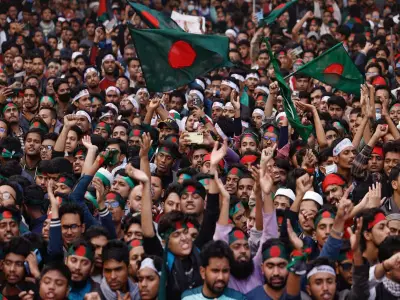
In a significant political move, former United States President Donald Trump has issued a direct appeal to the people of Iran, urging them to take control of their government. This statement comes amid heightened tensions and widespread protests within the country, reflecting ongoing international concerns over Iran's domestic and foreign policies.
Context of the Appeal
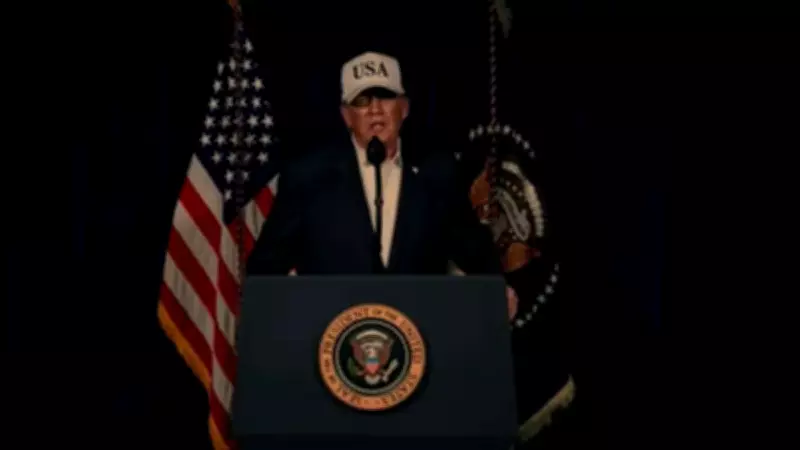
The appeal was made public on February 28, 2026, through official channels associated with Trump. It marks a continuation of his longstanding criticism of the Iranian regime, which he frequently targeted during his presidency from 2017 to 2021. Trump's message emphasizes the power of the Iranian populace to effect change, aligning with his previous rhetoric that often highlighted grassroots movements in authoritarian states.
Key Points of Trump's Statement
In his appeal, Trump directly addressed the Iranian people, stating that they should seize control of their government to improve their lives and secure a better future. He criticized the current Iranian leadership for what he described as oppressive policies and mismanagement, which he claims have led to economic hardship and social unrest. Trump's words are seen as an attempt to bolster anti-government sentiments that have been simmering in Iran due to issues such as inflation, unemployment, and political repression.

International Reactions and Implications
The appeal has sparked varied reactions globally. Supporters view it as a bold stand for democracy and human rights, while critics argue it could escalate tensions and interfere in Iran's internal affairs. Iran's government has historically condemned such external appeals as interference, and this latest statement is likely to further strain US-Iran relations, which have been fraught since Trump's withdrawal from the Iran nuclear deal in 2018.
Experts suggest that Trump's appeal may resonate with some segments of the Iranian population, particularly those involved in recent protests, but its overall impact remains uncertain. The situation underscores the complex dynamics of Middle Eastern politics and the role of external figures in influencing domestic movements.
Background on US-Iran Relations
Under Trump's administration, the US adopted a hardline stance against Iran, imposing severe sanctions and withdrawing from the Joint Comprehensive Plan of Action (JCPOA), commonly known as the Iran nuclear deal. This move was aimed at curbing Iran's nuclear program and regional influence but led to increased hostilities. Since then, relations have remained tense, with occasional flare-ups in the Persian Gulf and diplomatic stalemates.
Trump's latest appeal adds a new layer to this ongoing conflict, highlighting his continued involvement in foreign policy matters post-presidency. It also reflects broader trends in global politics where former leaders remain vocal on international issues.
Conclusion
Donald Trump's direct appeal to the Iranian people to take control of their government is a notable development in the geopolitical landscape. By focusing on grassroots empowerment, he aims to challenge the current regime and support internal dissent. As events unfold, the world watches closely to see how this message influences Iran's domestic politics and its relations with the United States and other nations.