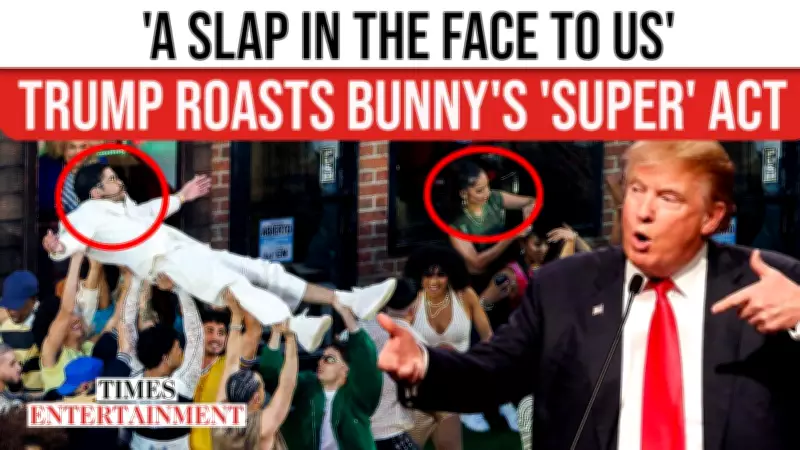
Trump's Fiery Critique of Bad Bunny's Super Bowl Halftime Show Sparks National Debate
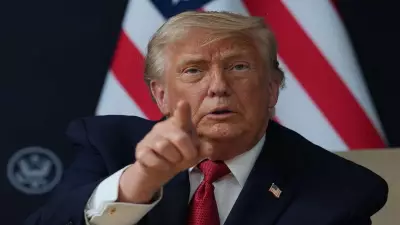
In a stunning development that has captured national attention, former US President Donald Trump launched a scathing attack on Puerto Rican superstar Bad Bunny following his highly anticipated performance at Super Bowl 60. Taking to his Truth Social platform, Trump delivered a blistering assessment that has since ignited fierce controversy across the political and entertainment spectrums.
The Presidential Condemnation: "Absolutely Terrible" and "Worst Ever"
Donald Trump did not mince words when expressing his disapproval of the halftime spectacle. In his characteristically direct style, the former commander-in-chief declared the show "absolutely terrible" and went even further by labeling it "one of the worst, EVER" in Super Bowl history. This represents one of Trump's most forceful cultural critiques since leaving office, demonstrating his continued willingness to engage with mainstream entertainment events.
The criticism extended beyond mere artistic disapproval. Trump framed the performance as "an affront to the Greatness of America," suggesting the show failed to meet what he perceives as appropriate standards for such a prestigious national event. He further elaborated that the production "makes no sense," indicating a fundamental disconnect between his expectations and the artistic vision presented on football's biggest stage.

Bad Bunny's Vision: Unity and Cultural Pride on the World Stage
In stark contrast to Trump's condemnation, Bad Bunny approached the Super Bowl halftime show with an entirely different agenda. The global music phenomenon used his platform to deliver a powerful message of unity and cultural pride, celebrating Latin American heritage while promoting cross-cultural understanding. His performance represented a deliberate effort to bridge divides through music and performance art.
The Puerto Rican artist, known for his boundary-pushing approach to reggaeton and Latin trap, crafted a spectacle that emphasized:
- Cultural representation through traditional and contemporary Latin American musical elements
- Visual storytelling that celebrated diversity and inclusion
- Artistic innovation that pushed the boundaries of typical halftime show formats
- Political messaging that advocated for unity without being overtly partisan
The Social Media Firestorm: Divided Reactions and Viral Debate
The dramatic contrast between Trump's harsh criticism and Bad Bunny's celebratory performance has created one of the most intense cultural debates of the year. Social media platforms have become battlegrounds where supporters and critics of both figures have engaged in heated exchanges, making the halftime show aftermath one of the most talked-about moments in recent entertainment history.
Observers have noted several key dimensions to this unfolding controversy:
- Political polarization has inevitably colored reactions to both Trump's comments and Bad Bunny's performance
- Generational divides have emerged between traditional Super Bowl viewers and younger audiences more familiar with Bad Bunny's work
- Cultural identity politics have become central to discussions about appropriate representation at major American events
- Artistic freedom versus traditional expectations has emerged as a fundamental tension in the debate
This controversy has demonstrated how cultural events like the Super Bowl halftime show have evolved into platforms for broader social and political conversations. What might have once been viewed as simple entertainment now carries significant symbolic weight in America's ongoing cultural debates.
The lasting impact of this exchange remains uncertain, but what is clear is that the intersection of politics, entertainment, and cultural representation continues to generate some of the most compelling and divisive moments in contemporary American life.