Former United States President Donald Trump has indicated he might consider relaxing sanctions on Russian oil imports for Hungary if he returns to power, while simultaneously asserting that the ongoing conflict in Ukraine is severely impacting Moscow.
Trump's Conversation with Hungarian Prime Minister
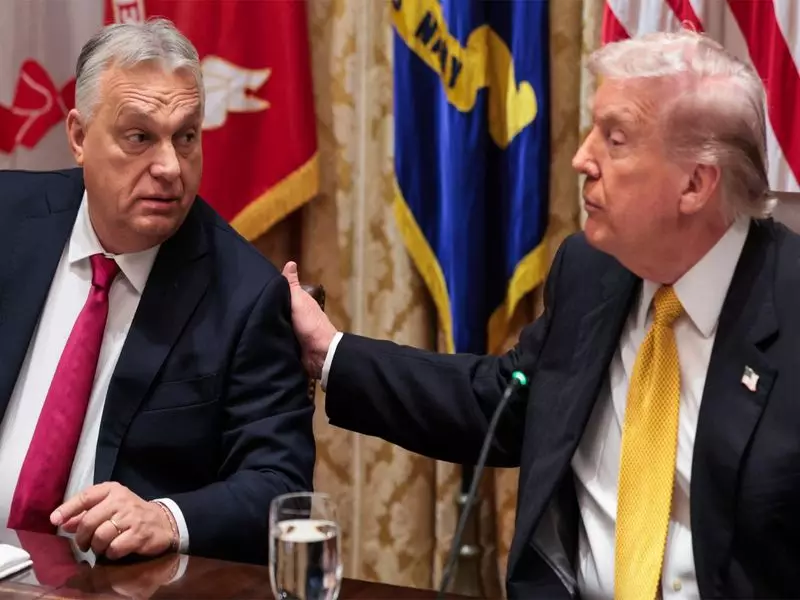
During a recent interview with right-wing commentator Hugh Hewitt, Trump revealed details of his discussion with Hungarian Prime Minister Viktor Orban. The former president stated that Orban had asked him about the possibility of lifting restrictions on Russian oil, to which Trump responded with cautious openness.
"He said, 'Would you mind if I made a deal?' I said, 'I don't care. You can make a deal. You can do whatever you want,'" Trump recounted from their conversation. This exchange suggests a potential shift in US policy toward Russian energy sanctions under a future Trump administration.

Assessment of Russia's War Efforts
Trump offered a stark assessment of Russia's current situation in the Ukraine conflict, claiming that the war is "taking a big toll on Moscow." His comments come amid ongoing military operations that have stretched into their third year, with significant economic and human costs for both sides.
The former president reiterated his controversial claim that he could resolve the conflict within 24 hours if reelected, though he provided no specific details about how such a rapid resolution would be achieved. This assertion aligns with his longstanding position that his negotiation skills could quickly end the hostilities.
Political Context and International Relations
Trump's comments arrive at a sensitive time in international politics, with European nations divided on their approach to Russian sanctions. Hungary, under Orban's leadership, has maintained closer ties with Moscow compared to other European Union members, frequently criticizing the bloc's sanctions policy.
The potential easing of oil sanctions for Hungary would represent a significant departure from the current united front maintained by Western allies. Such a move could potentially weaken the economic pressure on Russia while creating divisions within NATO and EU alliances.
Current President Joe Biden's administration has maintained a firm stance on sanctions against Russia, coordinating with European partners to maintain economic pressure. Trump's suggestions indicate a possible dramatic shift in US foreign policy should he win the upcoming presidential election.
International observers are closely watching these developments, as energy security and transatlantic unity remain critical issues in the context of the prolonged Ukraine conflict. The potential change in US approach could have far-reaching implications for global energy markets and diplomatic relations.