Trump Alters Position on West Asia Crisis, Emphasizes Conditional Ground Troop Deployment
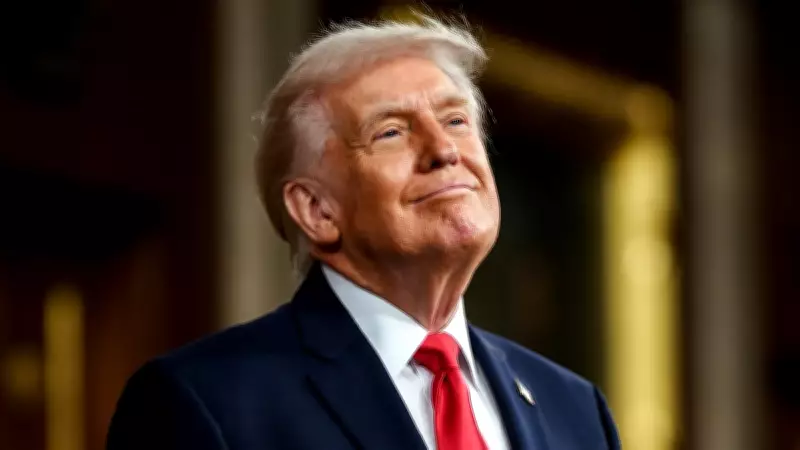
In a significant shift from his previous rhetoric, former United States President Donald Trump has clarified his stance on the ongoing West Asia crisis, asserting that the deployment of American "boots on the ground" would be a measure of last resort, undertaken only if deemed absolutely necessary. This statement marks a notable departure from his earlier, more hawkish positions, reflecting a nuanced approach to the volatile situation in the region.
Context of the Crisis and Trump's Evolving Stance
The West Asia crisis, characterized by escalating conflicts and geopolitical tensions, has drawn global attention, with key players like the US weighing their involvement. Trump, known for his assertive foreign policy during his presidency, had previously advocated for a strong military presence in such scenarios. However, his latest comments suggest a more cautious and conditional strategy, prioritizing diplomatic and economic measures over immediate military intervention.
Trump emphasized that while the US remains committed to stability in West Asia, the use of ground forces would be reserved for extreme circumstances, such as direct threats to American interests or allies. This shift aligns with broader debates within US political circles about the role of military engagement in foreign conflicts, especially in light of past interventions in the Middle East.

Implications for US Foreign Policy and Regional Dynamics
Trump's revised stance could influence the broader US foreign policy landscape, particularly as the 2024 presidential election approaches. By advocating for restraint, he may be positioning himself as a pragmatic leader, appealing to voters wary of prolonged military engagements. This move also contrasts with some current administration policies, potentially shaping future diplomatic strategies in West Asia.
Analysts note that this conditional approach might impact regional alliances and security arrangements. Countries in West Asia, such as Israel and Saudi Arabia, which have relied on US military support, may need to reassess their defense strategies. Additionally, it could open doors for increased multilateral cooperation or alternative conflict resolution methods, such as sanctions or peace talks.
Reactions and Broader Political Context
The announcement has sparked varied reactions from political commentators and international observers. Supporters view it as a sensible adjustment, reducing the risk of unnecessary American casualties and financial burdens. Critics, however, argue that it might signal a weakening of US resolve, potentially emboldening adversaries in the region.
In the context of US domestic politics, Trump's shift could resonate with a base that has grown skeptical of foreign wars, while also drawing scrutiny from opponents who question the consistency of his foreign policy views. As the crisis in West Asia continues to evolve, this stance may become a focal point in discussions about America's global role and military commitments.
Overall, Trump's conditional stance on ground troops underscores the complex balancing act in US foreign policy, where strategic interests must be weighed against the costs of military action. It highlights an ongoing recalibration in how the US engages with crises in West Asia, with potential long-term effects on international relations and regional stability.