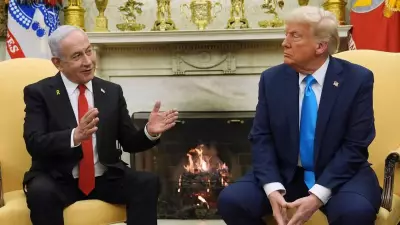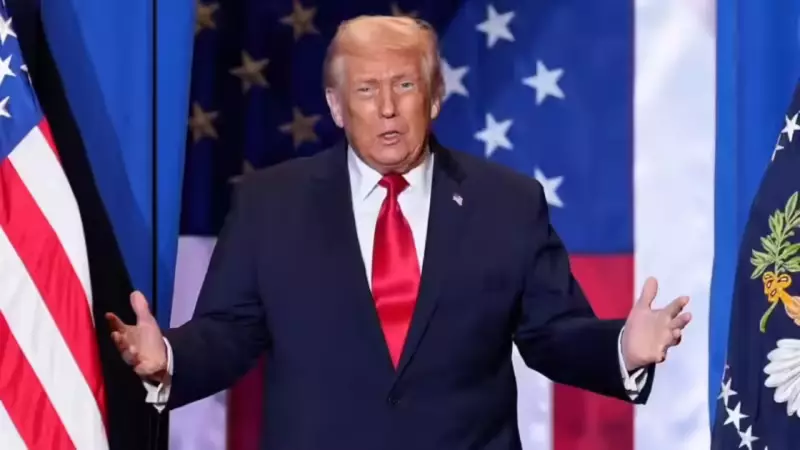
Former US President Donald Trump has put forward a bold proposal to significantly increase the country's defence spending, advocating for a military budget of $1.5 trillion for the year 2027. This figure is a sharp 50% increase over the previously considered $1 trillion allocation.
The 'Dream Military' Vision and National Security Imperative
In a detailed post on his Truth Social platform, Trump outlined his vision for what he termed a "Dream Military." He argued that this substantially higher financial commitment is absolutely necessary to construct a defence force powerful enough to deter any potential adversary and ensure the United States remains safe. He framed this need within the context of what he described as "very troubled and dangerous times," emphasising that strengthened national security is paramount.
The announcement followed what Trump characterised as "long and difficult negotiations" with various American lawmakers and senior officials, including Senators, Congressmen, and Secretaries. He stated that the decision was made "for the Good of our Country," with the ultimate goal of keeping the nation "SAFE and SECURE, regardless of foe."

Tariff Revenues as the Financial Engine
A key pillar of Trump's argument for the budget expansion is the role of tariffs. He directly linked the proposed increase to revenues generated from tariffs imposed on other countries. Trump claimed that these funds have created the necessary financial space to boost military spending without compromising other economic goals.
"If it weren't for the tremendous numbers being produced by Tariffs from other Countries, many of which, in the past, have 'ripped off' the United States at levels never seen before, I would stay at the $1 Trillion Dollar number," he wrote. The MAGA leader asserted that this tariff income not only makes a larger military budget feasible but also creates room for reducing national debt and providing financial benefits to American citizens.
Trump contrasted the current situation with the past, stating that the revenue streams being generated were "unthinkable" under previous administrations. This positions his tariff policies as a successful financial strategy enabling ambitious defence plans.
Implications and the Road Ahead
The proposal for a $1.5 trillion military budget for 2027 sets a dramatic marker for future defence policy debates in the United States. It underscores a philosophy of achieving peace and security through overwhelming military strength and financial independence derived from trade policies. The plan, while ambitious, will require extensive legislative approval and will likely be a central topic in discussions about America's fiscal priorities and global military posture in the coming years. The claim that tariff revenues can sustainably fund such a massive increase while also aiding debt reduction will be scrutinised by economists and policymakers alike.