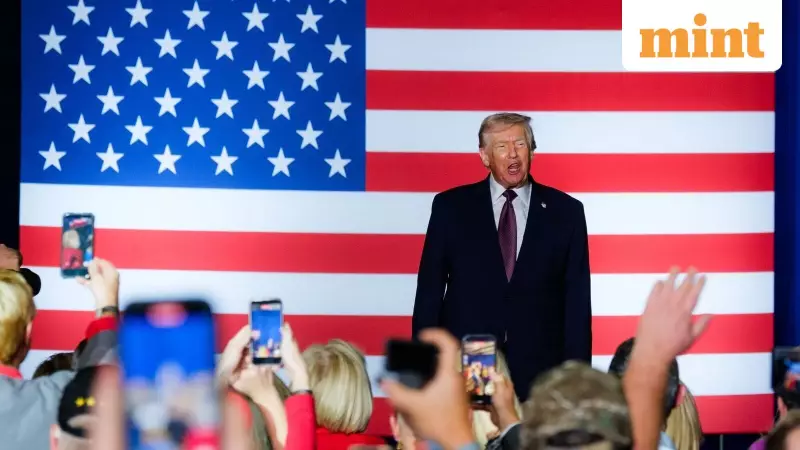
In a significant move to realign American foreign policy, the Trump administration has initiated a major diplomatic reshuffle, recalling nearly 30 career diplomats from key ambassadorial posts across the globe. This strategic decision is framed as aligning US diplomacy with President Donald Trump's "America First" priorities.
Scope of the Diplomatic Recall
According to information from two State Department officials shared with the Associated Press, formal notices were dispatched last week to the chiefs of mission in approximately 29 nations. These notices informed the diplomats that their tenures are slated to conclude in January 2025. While the State Department has characterized this as a standard personnel process, the scale and timing point to a deliberate reshaping of the United States' diplomatic posture abroad.
Which Regions and Countries Are Most Affected?
The recall drive has had a disproportionate impact on different continents, with Africa bearing the brunt of the changes.

Africa Takes the Hardest Hit
Thirteen African nations will see their US ambassadors replaced. The list includes: Burundi, Cameroon, Cape Verde, Gabon, Ivory Coast, Madagascar, Mauritius, Niger, Nigeria, Rwanda, Senegal, Somalia, and Uganda. This widespread change signals a potential recalibration of US engagement on the continent.
Asia Pacific Sees Significant Changes
Six countries in the Asia-Pacific region are affected, which holds particular interest for Indian foreign policy observers. The countries are: Fiji, Laos, the Marshall Islands, Papua New Guinea, the Philippines, and Vietnam. Changes in these diplomatic posts could influence regional dynamics and partnerships.
Europe and Other Regions
Four European nations—Armenia, Macedonia, Montenegro, and Slovakia—are part of the shake-up. In the Middle East and North Africa, Algeria and Egypt will see changes. Other nations impacted include Nepal and Sri Lanka in South Asia, and Guatemala and Suriname in the Americas.
Implications and the "America First" Agenda
This large-scale recall of seasoned diplomats underscores the administration's intent to place officials who closely align with the "America First" doctrine in critical positions worldwide. The move goes beyond routine rotations, suggesting a deeper institutional shift in how the US projects its power and pursues its interests. For countries like India, monitoring these changes in neighboring nations like Nepal, Sri Lanka, and the Philippines, as well as in key African partners, will be crucial for navigating the evolving geopolitical landscape. The long-term impact on bilateral relations, multilateral cooperation, and global diplomacy remains to be seen as new envoys take charge in the coming year.