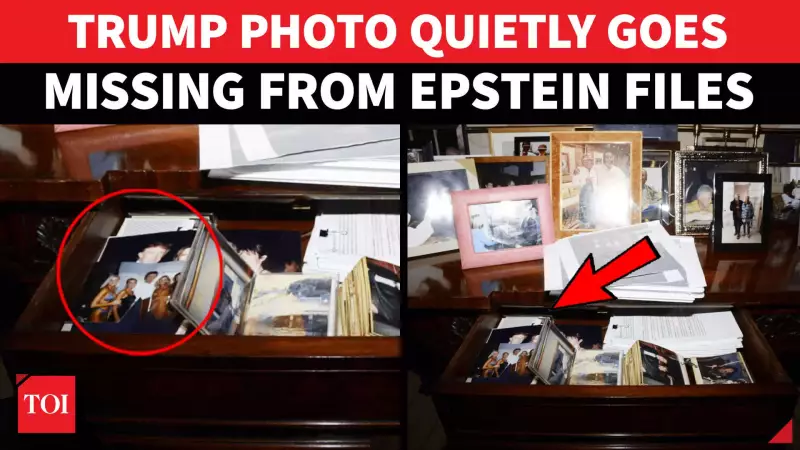
A critical document from the recently released trove of Jeffrey Epstein-related files has mysteriously disappeared from public view, triggering fresh allegations of opacity and selective transparency in the high-profile disclosure process. The file, which reportedly contained a photograph connected to former US President Donald Trump, became inaccessible just a day after the Justice Department's latest data dump.
Key Document Vanishes, 'Access Denied' Message Appears
The incident centres around a specific document identified as File EFTA00000468.pdf. According to reports, this file briefly appeared online as part of the disclosures mandated under the Epstein Files Transparency Act. However, by December 21, 2025, attempts to access it resulted only in an "ACCESS DENIED" error. The unexplained removal has added a significant layer of intrigue to an already controversial release, which has faced criticism for extensive redactions and allegedly missing materials.
Mounting Scrutiny Over DOJ's Disclosure Methods
The Justice Department's handling of the Epstein files has been under intense scrutiny. Critics and transparency advocates are now asking pointed questions: why would certain files surface publicly only to vanish without explanation? The promise of transparency under the Act appears to be under strain, with allegations that its application might be selective. The disappearance of a file linked to a major political figure like Donald Trump has inevitably amplified these concerns, fueling speculation and demands for accountability.

A Controversial Release Grows More Mysterious
This episode is not an isolated concern but part of a broader pattern of issues plaguing the Epstein files release. The DOJ's disclosures have already been lambasted for their heavy redactions. The sudden vanishing of the Trump-linked photo document suggests that the full story behind the Epstein network and its powerful associates remains partially obscured. As public and media scrutiny grows, the pressure on authorities to ensure a complete and unredacted release, as envisioned by the Transparency Act, is likely to intensify. The "ACCESS DENIED" message has thus become a potent symbol for critics who argue that the truth is still being withheld.
The development ensures that the Epstein case will remain at the forefront of political and legal discourse, with calls for genuine transparency growing louder by the day.