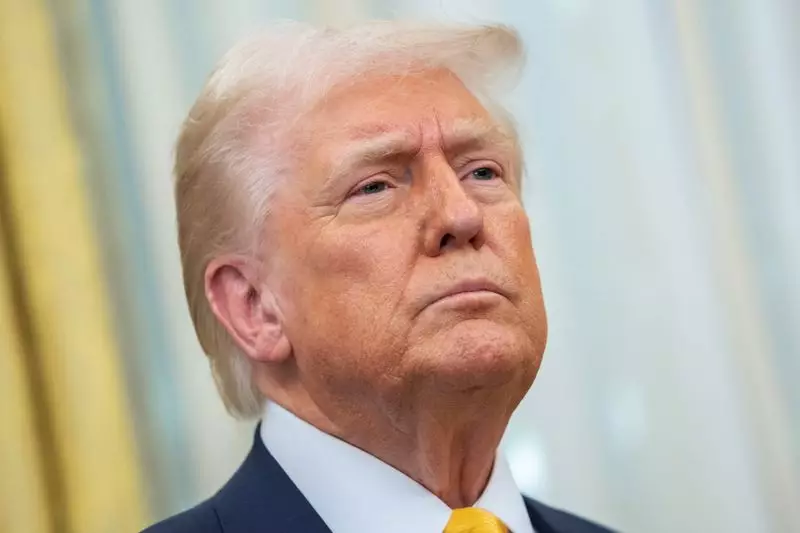
In a significant political development, former President Donald Trump has exercised his presidential pardon power to grant clemency to his former personal attorney Rudy Giuliani and numerous other supporters who actively participated in efforts to challenge the 2020 election results.
Comprehensive List of Pardoned Individuals
The sweeping pardon action, confirmed by official sources, extends beyond Giuliani to include several key figures who played crucial roles in Trump's post-election legal battles. Among those receiving pardons are prominent attorneys and advisors who supported the former president's controversial campaign to dispute Joe Biden's electoral victory.
Rudy Giuliani, who served as Trump's personal lawyer and became the public face of the election challenge efforts, received what many legal experts describe as one of the most high-profile pardons. The former New York mayor had faced multiple legal challenges and investigations related to his activities during the post-election period.

Legal Implications and Political Fallout
The timing and nature of these pardons have generated substantial political controversy and legal debate. Presidential pardons typically apply to federal crimes, and this particular set of clemency grants appears specifically designed to protect individuals who supported Trump's attempts to overturn the election outcome through various legal and political maneuvers.
Legal analysts note that while presidential pardons can eliminate federal criminal liability, they do not provide protection against state-level investigations or civil lawsuits. This distinction becomes particularly relevant for several of the pardoned individuals who may still face legal scrutiny at the state level.
The pardons come at a critical juncture in American politics, as the country continues to grapple with the aftermath of the 2020 election and its contested results. The action has reignited debates about the scope of presidential pardon powers and their appropriate use in politically sensitive circumstances.
Broader Impact on Election Integrity Discourse
This development significantly impacts the ongoing national conversation about election integrity and the legal boundaries of challenging electoral outcomes. The pardons effectively shield key participants in Trump's election challenge campaign from potential federal prosecution related to their activities.
Political observers suggest this move could have far-reaching consequences for how future election disputes are handled and the legal risks that participants might anticipate when engaging in similar challenges. The action also sets important precedents regarding presidential power and its application to politically connected individuals.
Multiple legal experts have expressed concern about the message these pardons send regarding accountability for efforts to overturn democratic election results. However, supporters of the former president argue that the pardons represent appropriate protection for individuals who were simply exercising their legal rights to challenge election procedures.
The full list of pardoned individuals includes not only high-profile names like Giuliani but also lesser-known attorneys and advisors who provided crucial behind-the-scenes support for the legal challenges. The comprehensive nature of the pardon action demonstrates the former president's commitment to protecting his entire team that participated in the election dispute efforts.
As the political landscape continues to evolve, these pardons are likely to remain a focal point in discussions about presidential power, election integrity, and legal accountability in the American democratic system.