Trump Issues Emergency Order for U.S. Embassy Evacuation From Israel
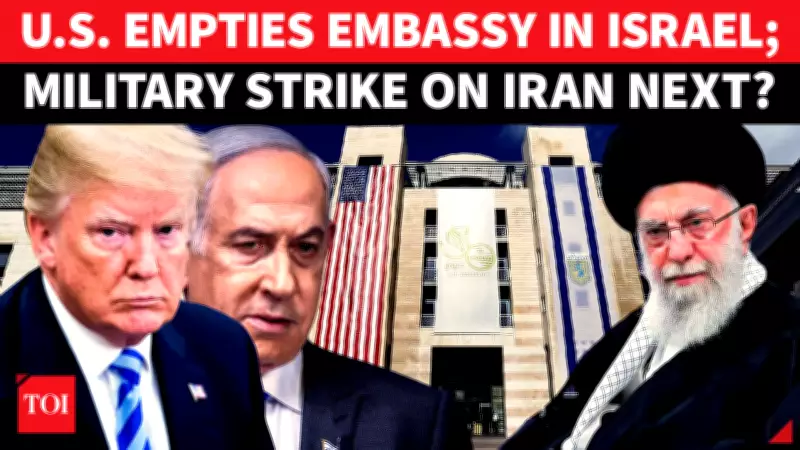
In a dramatic development, former President Donald Trump has reportedly issued an emergency order authorizing U.S. Embassy staff to evacuate Israel immediately. This directive comes amid rapidly escalating security threats and heightened tensions across the Middle East region. The decision, described as urgent and precautionary, has ignited intense speculation about Washington's strategic calculations and military preparedness.
Escalating Security Threats Prompt Precautionary Measures
Multiple sources confirm that embassy officials in Tel Aviv have received authorization to depart the country as regional flashpoints intensify. While officially labeled a precautionary move, the timing and nature of this evacuation order suggest deeper concerns about potential conflict expansion. Security assessments indicate growing risks from various militant groups and state actors, particularly Iran and its proxies.
The evacuation authorization raises critical questions:

- Is this merely a standard security precaution during heightened tensions?
- Or does it signal that Washington anticipates imminent military escalation?
- What intelligence might have prompted such a decisive move?
Broader Regional Confrontation Fears Intensify
This development occurs against a backdrop of increasing regional instability. Recent weeks have seen:
- Heightened rhetoric between Iran and Western powers
- Increased militant activity across multiple Middle Eastern countries
- Growing concerns about energy disruption and oil production volatility
- Complex geopolitical rivalries involving Russia, China, and regional powers
The evacuation order has particularly alarmed diplomatic circles, as it suggests U.S. officials may be preparing for worst-case scenarios. Analysts note that such measures typically precede significant military or diplomatic shifts, though the exact nature of anticipated developments remains unclear.
Strategic Implications and Diplomatic Calculations
The decision to authorize embassy staff departure involves multiple strategic considerations:
- Military readiness: The move allows for potential military operations without risking American diplomatic personnel
- Diplomatic signaling: It communicates seriousness to adversaries while reassuring allies of protective measures
- Intelligence assessments: Likely reflects concerning intelligence about imminent threats to U.S. interests
- Regional stability: Could either de-escalate tensions by removing potential targets or escalate by suggesting imminent conflict
Regional experts emphasize that while precautionary evacuations have occurred previously, the current geopolitical climate makes this particular authorization especially significant. The involvement of former President Trump adds another layer of complexity, given his administration's previous Middle East policies and current political influence.
Iran War Declaration Speculation Mounts
Perhaps the most urgent question surrounding this development concerns Iran. The evacuation order has fueled speculation about potential U.S.-Iran confrontation, with some analysts suggesting it could precede formal war declarations or significant military actions. Iran's recent declarations of support from regional allies and continued nuclear program advancements have created a volatile situation that many fear could erupt into broader conflict.
Key factors contributing to war fears include:
- Iran's strengthened alliances with Russia and China
- Increased militant activity by Iran-backed groups across the region
- Ongoing nuclear negotiations that have reached apparent stalemate
- Historical patterns of escalation in U.S.-Iran relations
While no official war declaration has been made, the evacuation order represents the most concrete indication yet that U.S. officials are preparing for potential conflict escalation. The coming days will likely reveal whether this is primarily a precautionary measure or the precursor to more significant military and diplomatic developments in the increasingly unstable Middle East.