Trump Dismisses Military Action for Greenland During Davos Address
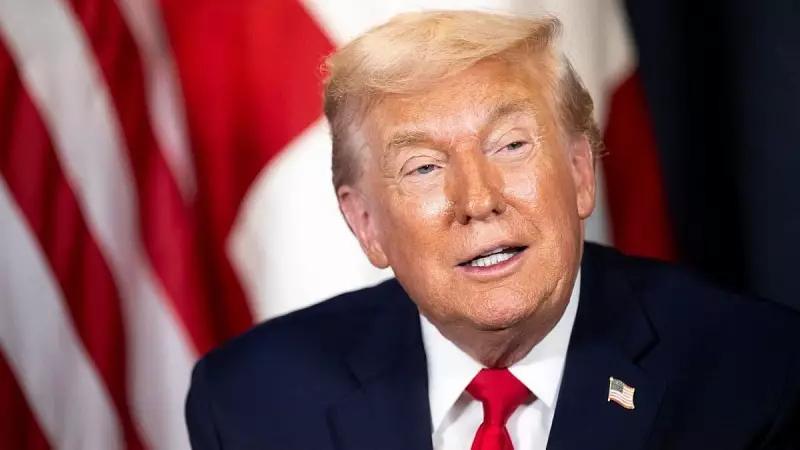
In a significant declaration at the annual World Economic Forum meeting in Davos, former United States President Donald Trump explicitly ruled out the use of military force to acquire Greenland. This statement comes amid longstanding speculation and diplomatic discussions regarding US interests in the strategically located Arctic territory.
Clarification on Greenland Amid Geopolitical Tensions
Trump emphasized that while the United States maintains strategic interests in the Arctic region, any potential acquisition of Greenland would not involve coercive measures. This clarification aims to address concerns over territorial disputes and aligns with broader diplomatic efforts in the area. The former president's remarks highlight a nuanced approach to foreign policy, balancing national interests with international norms.
Contrasting Economic Outlooks: US Boom vs. European Concerns
During the same address, Trump contrasted the economic trajectories of the United States and Europe. He asserted that the US economy is currently experiencing a significant boom, characterized by robust growth and investment. However, he expressed skepticism about Europe's direction, stating that the continent is "not heading in the right direction" economically.

This critique points to underlying challenges in European economies, including issues related to trade, regulation, and global competitiveness. Trump's comments reflect ongoing debates about economic policies and their impacts on global stability.
Implications for International Relations and Arctic Strategy
The dual focus of Trump's speech—on Greenland and economic comparisons—underscores key themes in contemporary geopolitics:
- Arctic Diplomacy: The rejection of force for Greenland acquisition reinforces the importance of peaceful negotiations in resolving territorial matters, particularly in resource-rich regions like the Arctic.
- Economic Divergence: The contrast between US and European economic performance may influence future trade policies and alliances, shaping global economic dynamics.
- Strategic Messaging: Trump's statements serve as a reminder of the evolving priorities in US foreign policy, where economic strength and diplomatic restraint are increasingly emphasized.
As global leaders gather at forums like the World Economic Forum, such declarations play a crucial role in setting the tone for international discourse and cooperation.