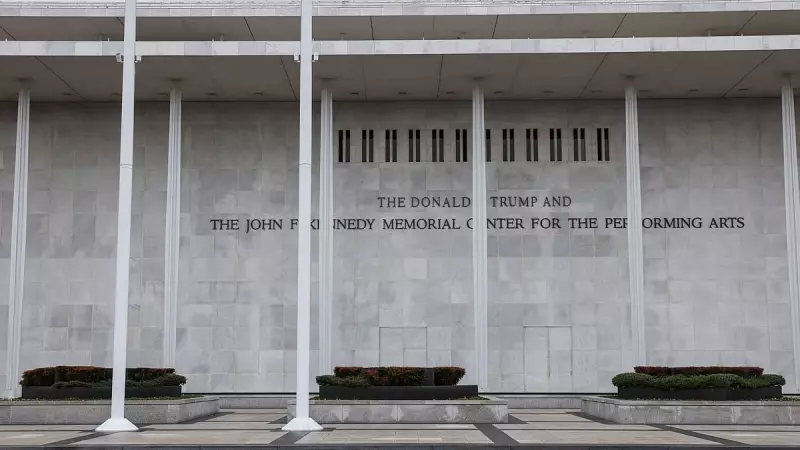
In a development that is reshaping the traditional boundaries of American governance, President Donald Trump, during his second term in office, is undertaking a remarkable fusion of his personal identity with the nation's official institutions. This move represents an unusual and powerful assertion of influence by a sitting US president, as reported by Reuters on 31 December 2025.
From Battleships to Buildings: The Branding Campaign
The strategy extends far beyond typical political messaging. The Trump name is becoming a visible fixture on a wide array of government assets and initiatives. This isn't limited to policy names but is seen physically and symbolically across federal projects and programs. The effort systematically links the President's personal brand with the permanent machinery of the state, creating a new norm for presidential legacy and public perception.
An Unprecedented Assertion of Presidential Power
This blending of personal and national identity is historically atypical for a US leader. While past presidents have sought to leave their mark through policy, the scale and directness of this branding exercise are notable. It raises questions about the long-term implications for institutional neutrality and how future administrations might navigate or continue this trend. The actions, as of the last update on 31 December 2025 at 11:53 IST, signify a conscious effort to cement a specific legacy intertwined directly with the function of government itself.

Implications and Global Observations
The global community, including strategic observers in India, is closely watching this development. For a nation like India, which maintains significant diplomatic and economic ties with the United States, understanding the centralization of this brand-power dynamic is crucial. It influences perceptions of US stability, policy continuity, and the very nature of its democratic institutions. The Reuters report highlights a key moment where the lines between a leader's personal agenda and the nation's public face are being deliberately redrawn.
The long-term consequences of this merger remain to be seen. However, the immediate effect is a powerful statement on the nature of modern political influence and legacy-building at the highest level of American power.