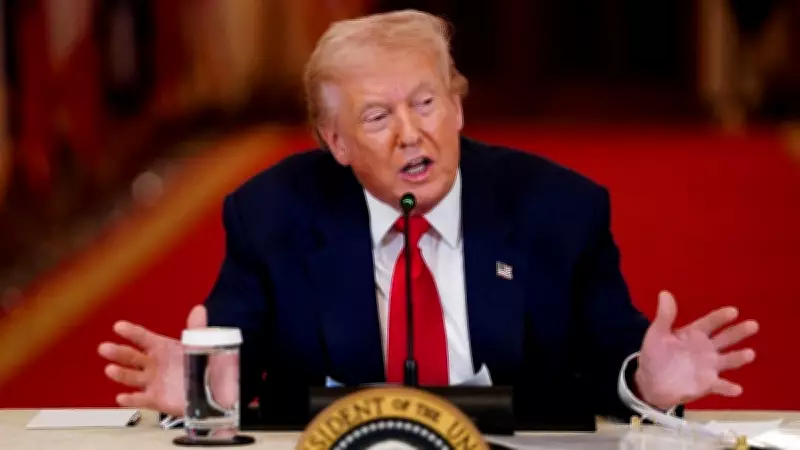
Donald Trump Makes Bold Claim About Iran's Regional Stance
In a recent statement that has sparked widespread attention and debate, former United States President Donald Trump declared that Iran has formally apologized and surrendered to its neighboring countries. This assertion comes at a time of heightened geopolitical tensions in the Middle East, where Iran's relations with nations like Saudi Arabia, Israel, and the United Arab Emirates have been historically strained and complex.
Context of Trump's Remarks on Iran
Trump, known for his outspoken and often controversial foreign policy views during his presidency from 2017 to 2021, made these comments without providing specific details or evidence to substantiate his claim. The statement appears to be part of his broader narrative on international affairs, where he frequently criticized Iran's government and its regional influence. It is essential to note that no official confirmation or reports from Iranian authorities or its neighbors have corroborated Trump's assertion of an apology or surrender.
Regional dynamics in the Middle East have been marked by proxy conflicts, economic sanctions, and diplomatic standoffs, particularly involving Iran and its adversaries. Trump's presidency was characterized by a hardline approach toward Iran, including the withdrawal from the Iran nuclear deal in 2018 and the imposition of stringent sanctions, which he often justified as necessary to curb Iran's aggressive behavior.

Analysis of the Claim's Implications
Experts and analysts have reacted with skepticism to Trump's claim, suggesting it may be more reflective of his political rhetoric than factual reality. "Such statements from former leaders can influence public perception and diplomatic discourse, but without verifiable sources, they should be treated with caution," noted a Middle East policy researcher. The lack of corroboration raises questions about the intent behind the remark, whether it aims to shape narratives ahead of potential political engagements or simply to reiterate Trump's longstanding criticisms.
Iran has consistently denied allegations of aggression toward its neighbors, instead positioning itself as a defender against external threats. In recent years, there have been instances of diplomatic outreach, such as talks with Saudi Arabia to ease tensions, but these have not been framed as apologies or surrenders. The regional landscape remains volatile, with ongoing issues like nuclear negotiations, military confrontations, and economic challenges shaping interactions.
Broader Geopolitical Considerations
Trump's comment intersects with broader global concerns about stability in the Middle East. Key points include:
- The role of the United States in mediating or escalating regional conflicts, especially under different administrations.
- Iran's internal political and economic pressures, which might influence its foreign policy decisions.
- The impact of such statements on international relations and potential misperceptions among allies and adversaries.
As the situation evolves, stakeholders are closely monitoring developments, with an emphasis on verified information over speculative claims. The assertion by Trump underscores the ongoing complexities in Middle Eastern diplomacy, where words can carry significant weight in shaping narratives and policies.