Trump Expresses Anxiety Over Supreme Court Tariff Ruling
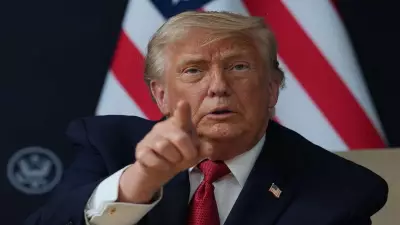
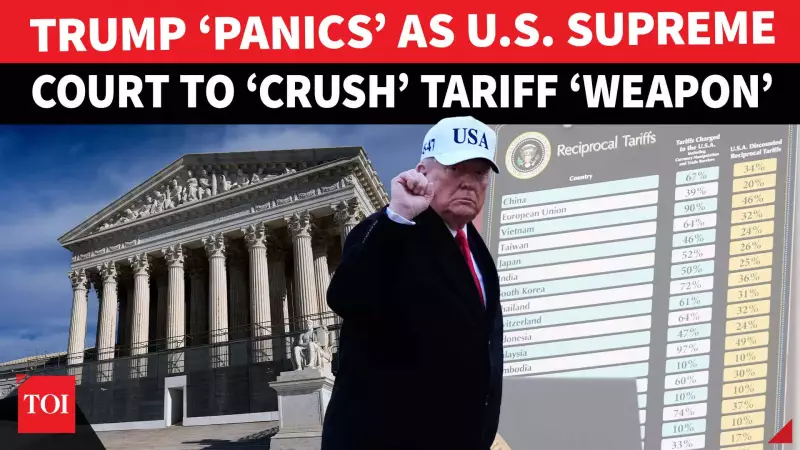
Donald Trump is openly expressing anxiety as the US Supreme Court prepares to rule on his global tariff policy. The former president made these remarks while speaking at Ford's Dearborn Truck Plant in Michigan. He doubled down on his tariff stance during the event. Trump admitted the stakes could not be higher for this legal battle.
Potential Economic Consequences
Trump warned that a negative verdict from the Supreme Court could force massive repayments to companies and foreign governments. He stated this scenario would likely trigger significant economic turmoil across the United States. The case questions the legality of his trade levies imposed during his presidency.
US states and small businesses brought this legal challenge against Trump's tariff policies. They argue these measures lack proper legal foundation. With a ruling expected soon, all parties are watching closely.

Trump's Defense of Tariff Policies
Trump is framing the upcoming Supreme Court decision as a critical fight for multiple national interests. He emphasizes three key areas in his defense:
- National Security: Trump claims tariffs protect American industries from foreign competition.
- Manufacturing Revival: He argues these policies help revive domestic manufacturing sectors.
- Political Legacy: The ruling could significantly impact how history judges his economic policies.
The former president maintains that his tariff empire represents a fundamental shift in American trade policy. He believes reversing these measures would undermine years of economic strategy.
Broader Implications
This Supreme Court case represents more than just a legal technicality. It could determine whether future presidents can implement similar trade policies without congressional approval. The decision may set important precedents for executive power in trade matters.
Business communities both domestically and internationally are monitoring developments closely. Many companies have already factored Trump's tariffs into their operational costs. A reversal could require substantial financial adjustments across multiple industries.
Foreign governments affected by these tariffs are also watching the case. Some have threatened retaliatory measures if the policies remain in place. Others await the court's decision before taking further action.
The timing of this ruling coincides with ongoing debates about America's role in global trade. It comes as many nations reconsider their economic relationships with the United States. The outcome could influence international trade negotiations for years to come.