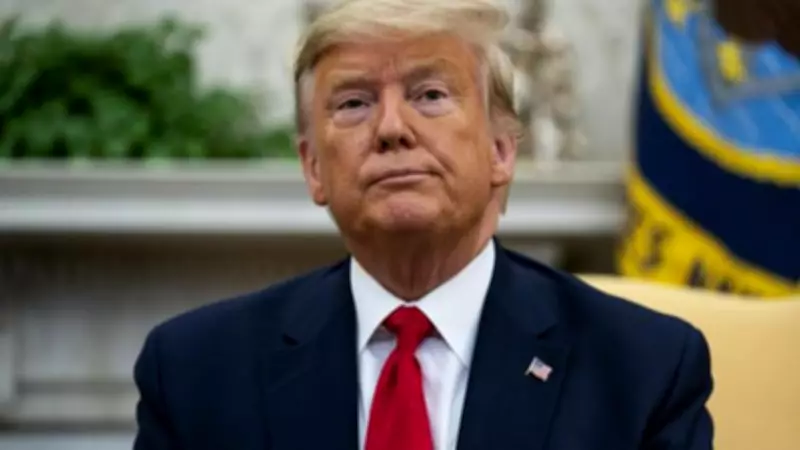
Trump Questions US Willingness to Sustain Iran Conflict Amid Regional Unrest
In a candid moment during a private Easter lunch gathering, former President Donald Trump expressed significant doubts about the American public's capacity to endure a protracted military engagement with Iran. This statement comes against the backdrop of escalating tensions and conflict in the West Asia region, highlighting ongoing geopolitical challenges.
Private Remarks Reveal Skepticism on War Fatigue
Trump, known for his unfiltered commentary, reportedly made these remarks in an informal setting, emphasizing his uncertainty regarding whether people in the United States possess the necessary patience for a sustained war effort against Iran. This perspective sheds light on potential domestic constraints that could influence foreign policy decisions in volatile regions.
The context of these comments is critical, as West Asia has been a hotspot for conflict, with Iran playing a central role in regional dynamics. Trump's tenure was marked by heightened tensions with Iran, including the withdrawal from the nuclear deal and targeted military actions, which have left a legacy of instability.

Implications for US Foreign Policy and Public Sentiment
Trump's doubts resonate with broader debates about American involvement in foreign wars, especially in areas like West Asia where conflicts often drag on for years. His statement suggests a recognition of war fatigue among citizens, which could impact future administrations' strategies in dealing with Iran and other adversarial nations.
This private Easter lunch revelation underscores the delicate balance between national security interests and public willingness to support prolonged military engagements. It also points to the enduring influence of Trump's views on Republican foreign policy circles, even out of office.As the West Asia conflict continues to evolve, with Iran's regional ambitions and proxy activities fueling unrest, Trump's remarks add a layer of domestic political consideration to the international calculus. They highlight how leaders must weigh not just strategic objectives but also the patience and resolve of the American people in conflicts that risk becoming drawn-out and costly.