Trump Voices Disapproval of Supreme Court Justices Post-Tariffs Ruling
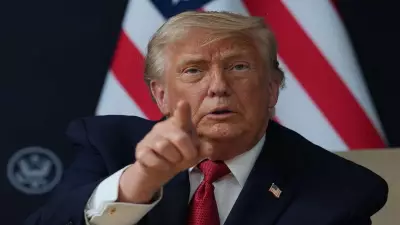
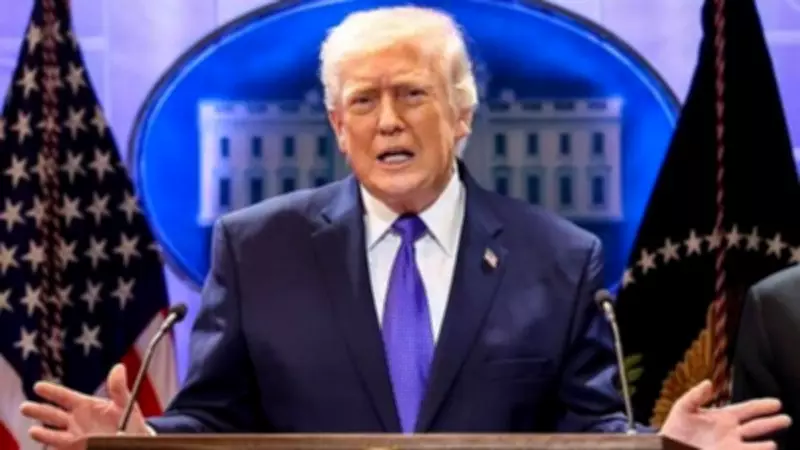
In a recent development, former President Donald Trump has openly denounced Supreme Court justices, stating, "I'm ashamed," following a ruling related to tariffs. This expression of disappointment highlights ongoing tensions between Trump and the judicial branch over matters of executive authority.
Background on the Supreme Court's Role in Trump's Presidency
The Supreme Court, which currently holds a 6-3 conservative majority, has played a significant role in shaping the legal landscape during and after Trump's tenure. Over the past year, the court issued a series of decisions on an emergency basis, largely permitting Trump's expansive assertions of executive power, with only a few exceptions. These rulings have been pivotal in defining the limits of presidential authority in areas such as immigration, environmental regulations, and economic policies.
Details of the Tariffs Ruling and Its Implications
The specific ruling that prompted Trump's criticism involves tariffs, a key component of his economic agenda aimed at protecting domestic industries and addressing trade imbalances. While the exact details of the decision are not fully disclosed in the original report, it is clear that the court's stance on this issue has sparked controversy. Tariffs have been a contentious topic, with debates over their impact on global trade relations and the U.S. economy.

Trump's reaction underscores his frustration with what he perceives as a shift in the court's support for his policies. Historically, the conservative majority has often aligned with his views, but this latest ruling appears to have deviated from that pattern, leading to his public outcry.
Analysis of Executive Power and Judicial Oversight
The interplay between executive power and judicial oversight is a central theme in this news. Trump's presidency was marked by numerous legal battles where he sought to expand presidential authority, often challenging congressional and judicial checks. The Supreme Court's emergency decisions have been critical in these conflicts, sometimes upholding his actions and at other times imposing limits.
- Emergency rulings have allowed for swift judicial responses to urgent matters, but they have also raised questions about due process and long-term legal precedents.
- The 6-3 conservative majority has generally favored a broad interpretation of executive power, yet this tariffs case suggests potential nuances or disagreements within the court.
- Trump's denunciation reflects broader political dynamics, where former leaders continue to influence public discourse and legal debates even after leaving office.
Global and Domestic Reactions to the News
This incident has garnered attention both domestically and internationally, as it touches on fundamental issues of governance and the rule of law. In the United States, reactions are likely to be polarized, with supporters of Trump echoing his criticisms and opponents viewing the court's decision as a necessary check on power. Globally, observers are monitoring how such judicial rulings might affect U.S. trade policies and international relations.
The news, originally reported by Reuters and published on February 21, 2026, at 00:03 IST, adds to the ongoing narrative of Trump's post-presidency activism and the Supreme Court's evolving role in American politics. As debates over tariffs and executive authority continue, this event serves as a reminder of the enduring impact of judicial decisions on political leadership and policy implementation.