Trump's Heated Exchange with Reporter Over Epstein Survivors Justice Question
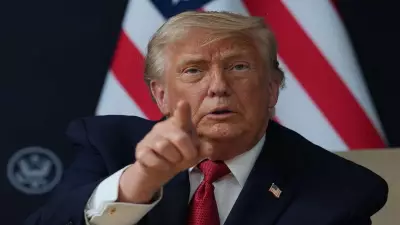
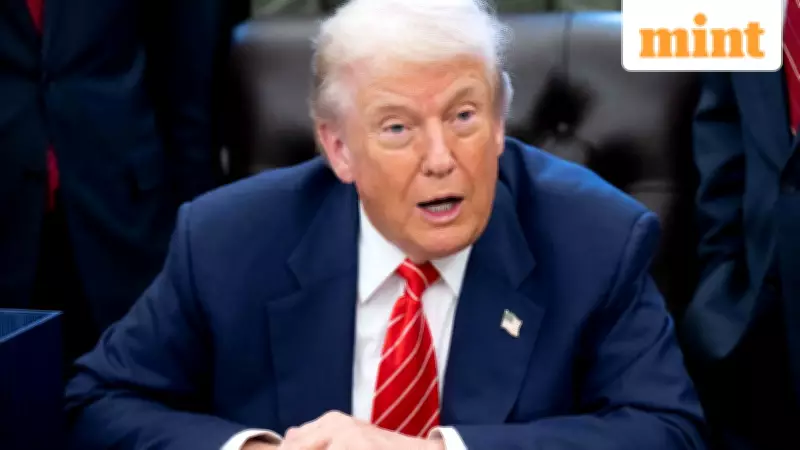
In a contentious moment at the Oval Office, US President Donald Trump launched a sharp rebuke against a CNN reporter on February 3, 2026, when she inquired about justice for survivors of the Jeffrey Epstein case. The incident occurred during a question-answer session following Trump's signing of a funding bill to end a partial government shutdown in Washington, DC.
Reporter's Question Triggers Presidential Ire
The reporter directly asked Trump, "What would you say to [Epstein survivors] who feel they haven't gotten justice?" This query prompted an immediate and personal attack from the President. Trump lambasted her, stating, "You are the worst reporter...she is a young woman...I've known you for ten years. I don't think I've ever seen a smile on your face."
He further escalated his criticism by adding, "You know why you're not smiling? Because you know you're not telling the truth. You're a very dishonest organisation — and they should be ashamed of you." This exchange highlights the ongoing tension between the Trump administration and certain media outlets, particularly over sensitive topics like the Epstein scandal.

Trump Calls to 'Move On' from Epstein Controversy
Earlier in the session, when questioned about Epstein, Trump dismissed the issue, urging the country to focus on other matters. He asserted, "Time for the country to get on to something else...it was a conspiracy against me by Epstein." Trump elaborated, "Nothing came out about me other than it was a conspiracy against me, literally, by Epstein and other people. But I think it's time now for the country to maybe get on to something else like health care or something that people care about."
This stance comes amid growing public and legal scrutiny surrounding the Epstein case, with Trump positioning himself as a victim of alleged conspiracies rather than engaging with the broader implications for survivors.
Global Fallout from Epstein Files Release Intensifies
The release of controversial Epstein Files by the US Department of Justice has triggered significant repercussions internationally. In the United Kingdom, former British ambassador to Washington Peter Mandelson resigned from the upper house of parliament. He faces allegations of passing confidential information to the late sex offender Epstein during the global financial crisis, as reported by Sky News.
Documents indicate that Epstein received internal discussions from the heart of the UK government, raising serious questions about security breaches and elite connections. Meanwhile, in the United States, the fallout continues with former President Bill Clinton and his wife Hillary scheduled to testify in Congress later this month. This underscores the widespread impact of the Epstein scandal, affecting political figures across party lines and borders.
Broader Implications for Media and Political Accountability
Trump's confrontation with the reporter reflects deeper issues regarding media freedom and political accountability in handling high-profile cases like Epstein's. By attacking the journalist's credibility and dismissing survivor concerns, the President has sparked debates about the role of the press in holding leaders accountable for justice issues.
As the Epstein Files reveal more connections and alleged misconduct, the global community watches closely. The ongoing investigations and testimonies, including those involving prominent figures like the Clintons, suggest that this scandal is far from over, despite Trump's calls to move on. The incident serves as a reminder of the complex interplay between politics, media, and justice in contemporary society.