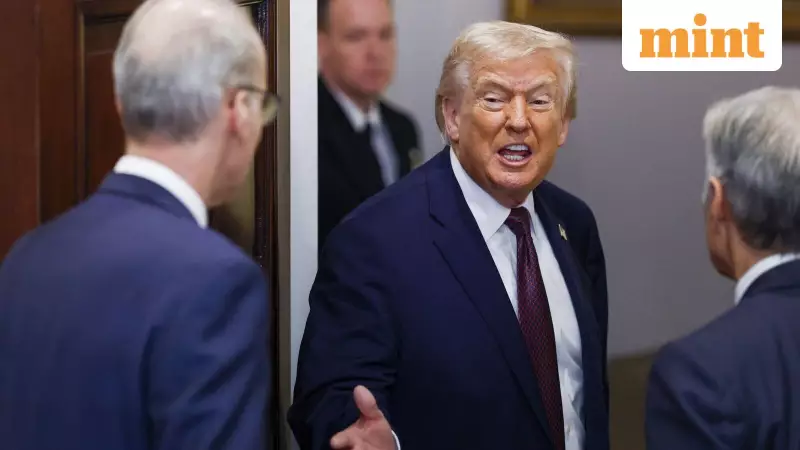
In a significant move aimed at tackling high healthcare costs, President Donald Trump on Friday announced sweeping agreements with nine major pharmaceutical companies. The initiative, which he presented as a cornerstone effort to align American medicine prices closer to European levels, includes the launch of a new direct-to-consumer portal called TrumpRx.gov.
Which Companies Joined and What is TrumpRx.gov?
The latest round of agreements brings the total number of participating drugmakers to 14 out of the 17 firms formally pressed by the administration in July. The nine companies named on Friday are Amgen, Boehringer Ingelheim, Bristol Myers Squibb, Genentech, Gilead Sciences, GSK, Merck, Novartis, and Sanofi. They join earlier participants Pfizer, AstraZeneca, Eli Lilly, Novo Nordisk, and EMD Serono.
Central to the strategy is TrumpRx.gov, a government-run portal set to act as a central directory. The platform, expected to be fully operational by January 2025, will redirect patients to the websites of participating manufacturers where they can purchase selected medicines directly, bypassing insurance. This model will focus largely on primary care medicines rather than high-cost specialist treatments like cancer drugs.

What Medicines Will Be Cheaper? The Reality of Discounts
The White House highlighted several examples of discounted drugs, including Amgen's cholesterol medication Repatha at $239 per month, GSK's asthma inhaler Advair Diskus at $89 per month, and Merck's diabetes drug Januvia at $100 per month.
However, the discounts are not universal. For instance, Gilead's hepatitis C cure Epclusa will be priced at a steep $2,492 per month through the portal, despite the company noting insured patients often pay between $0 and $5. Furthermore, several discounted drugs are nearing the end of their patent life, a point where generic competition typically drives prices down anyway.
Health policy experts expressed skepticism about the near-term impact for most Americans. "The bottom line is that the agreements will not decrease prices for most Americans," said Ameet Sarpatwari of Harvard Medical School. In some cases, patients might even pay more by bypassing insurance if their existing coverage offers lower co-payments.
Broader Implications: Medicaid, Medicare, and Insurers
The agreements also include commitments from companies to launch new medicines in the US at prices comparable to other wealthy nations and to offer most products to state Medicaid programs at internationally benchmarked rates. Bristol Myers Squibb, for example, said it would provide the blood thinner Eliquis free of charge to Medicaid programs.
President Trump also turned his attention to health insurers, warning that executives would soon be summoned to discuss premium reductions. "They have to make less, a lot less," he stated. Following his remarks, shares in major insurers like UnitedHealth Group, CVS Health, and Cigna fell.
In return for their pricing concessions, drug companies secured a key benefit: three-year exemptions from potential tariffs on imported pharmaceuticals, a threat Trump has repeatedly made but not yet imposed.
While the administration has completed internal reviews on potential regulatory measures like a "global benchmark for efficient drug pricing," the current deals are voluntary and stop short of mandatory price controls. Three major manufacturers—AbbVie, Johnson & Johnson, and Regeneron—are still in discussions, with Trump hinting more deals could be announced soon.
For now, the White House is betting that TrumpRx.gov and these voluntary agreements will demonstrate progress on drug affordability, even as significant questions remain about how much relief the average American will actually see in their pharmacy bills.