Trump Declares 48 Iranian Leaders Eliminated in US-Israel Military Campaign
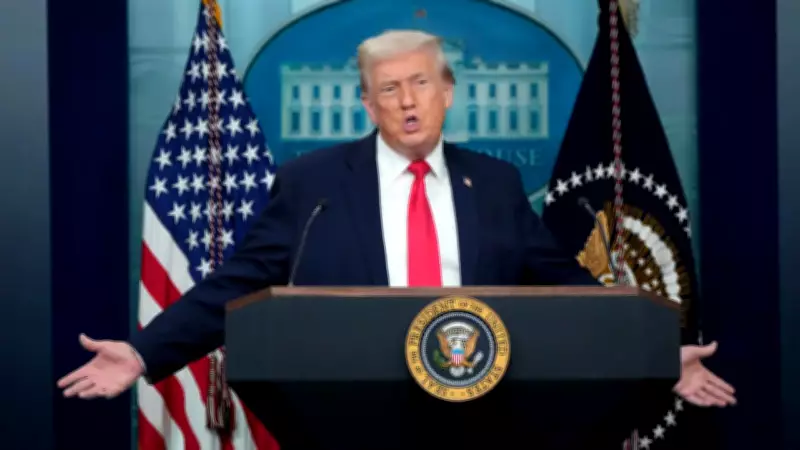
Former United States President Donald Trump made a significant statement on Sunday, asserting that forty-eight Iranian leaders have been killed during ongoing joint military strikes conducted by American and Israeli forces. In a detailed interview with Fox News, Trump characterized the operation as advancing with remarkable speed and efficiency, exceeding initial projections.
"Nobody Can Believe the Success We're Having"
During his televised appearance, Trump emphasized the scale of the military achievement, stating, "Nobody can believe the success we're having, 48 leaders are gone in one shot. And it's moving along rapidly." The former president elaborated further in a separate discussion with CNBC, confirming that US military operations in Iran are currently "ahead of schedule" according to strategic timelines.
These comments emerge against a backdrop of intensifying hostilities that began with coordinated US-Israeli strikes resulting in the death of Iran's Supreme Leader Ali Khamenei. This event represents a pivotal moment for the Islamic Republic, marking only the second leadership transition since the 1979 Islamic Revolution.

Casualties and Counterattacks Escalate Regional Tensions
The United States Central Command has confirmed significant American casualties during these operations, with three service members killed and five others wounded in the conflict. In response to the initial strikes, Tehran has launched substantial counterattacks targeting multiple locations across Israel and several Gulf states that host US military installations.
Reports indicate explosions have occurred in numerous cities including Dubai, Doha, and Manama, with substantial damage to critical infrastructure and disruptions to airport operations. Multiple governments across the Middle East have suspended flights as they assess the rapidly evolving security situation and potential threats to aviation safety.
Leadership Transition and Regional Implications
As military exchanges continue between the involved parties, Iran has initiated formal procedures to appoint a successor to the deceased Supreme Leader Khamenei. While some Iranian citizens have expressed cautious optimism about potential political changes, regional analysts emphasize that a leadership transition does not necessarily indicate broader structural reforms within the Islamic Republic's governing framework.
The United Arab Emirates has issued a direct appeal to Iran following attacks on Dubai, Abu Dhabi, Doha, and Kuwait, urging Iranian leadership to "go back to your senses" and de-escalate the conflict. Regional tensions remain exceptionally high as military engagements persist, creating uncertainty about potential diplomatic resolutions.
Ongoing Developments and Security Concerns
The situation throughout the Middle East remains fluid and unpredictable, with continued military actions and heightened security alerts affecting multiple nations. Governments across the region are implementing emergency measures to protect civilian populations and critical infrastructure while monitoring developments closely.
International observers are closely watching how the leadership transition in Iran might influence future diplomatic engagements and whether the current military escalation will prompt broader international intervention or mediation efforts. The conflict has already resulted in significant casualties on multiple sides and threatens to destabilize an already volatile region.