Sanae Takaichi Embarks on New Political Term with Far-Right Agenda
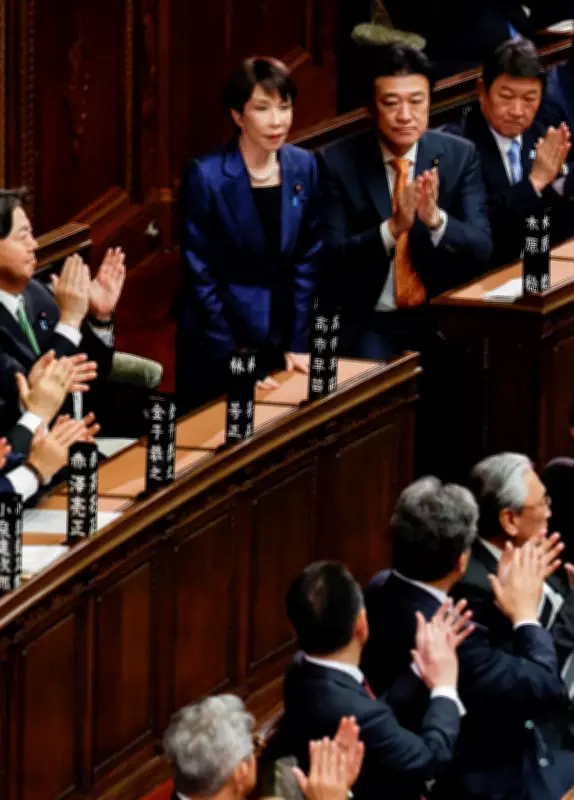
Japanese politician Sanae Takaichi has officially begun a new term in office, marking a significant moment in Japan's political landscape. This development comes as she signals a clear intention to pursue a shift towards far-right policies, a move that could reshape the nation's domestic and foreign affairs strategies.
Background and Political Context
Sanae Takaichi, a prominent figure in Japanese politics, has long been associated with conservative ideologies. Her new term follows recent political developments in Japan, where she has gained increased influence within her party and the broader government. Takaichi's career has been characterized by a steadfast commitment to nationalist principles, and this latest phase appears to be no exception.
In her previous roles, Takaichi has advocated for policies that emphasize national sovereignty and traditional values. Her alignment with far-right elements is not entirely new, but the current term suggests a more pronounced and systematic approach to implementing such policies. This shift is expected to impact various sectors, including defense, immigration, and cultural affairs.

Implications of the Policy Shift
The move towards far-right policies under Takaichi's leadership could have profound implications for Japan. Domestically, it may lead to:
- Increased nationalism in public discourse and education systems.
- Stricter immigration controls and a focus on preserving Japanese cultural identity.
- Enhanced military spending and a more assertive defense posture.
Internationally, this policy shift might affect Japan's relationships with neighboring countries and global allies. A far-right stance could result in:
- Tensions with China and South Korea over historical and territorial issues.
- Closer ties with other right-wing governments worldwide, potentially altering diplomatic dynamics.
- Reevaluation of trade agreements and international commitments in light of nationalist priorities.
Reactions and Future Outlook
Reactions to Takaichi's new term and her far-right policy ambitions have been mixed. Supporters argue that her approach will strengthen Japan's position on the global stage and address domestic concerns about identity and security. Critics, however, warn that such policies could isolate Japan and exacerbate regional conflicts.
As Takaichi settles into her new term, political analysts are closely monitoring her actions and statements. The implementation of far-right policies is likely to unfold gradually, with key legislative and executive decisions expected in the coming months. This period will be crucial in determining how deeply these changes will permeate Japanese society and its international engagements.
In summary, Sanae Takaichi's commencement of a new term represents a pivotal moment for Japan, as she eyes a significant shift towards far-right policies. This development warrants attention from observers of global politics, given its potential to influence not only Japan's future but also the broader geopolitical landscape in Asia and beyond.