US Supreme Court Overturns Trump-Era Tariffs in Landmark Ruling
The United States Supreme Court has delivered a significant blow to the trade policies of former President Donald Trump by striking down a series of tariffs he imposed during his administration. This decision, announced recently, has been met with widespread attention and debate across the political spectrum.
Schumer Praises Ruling as a Consumer Victory
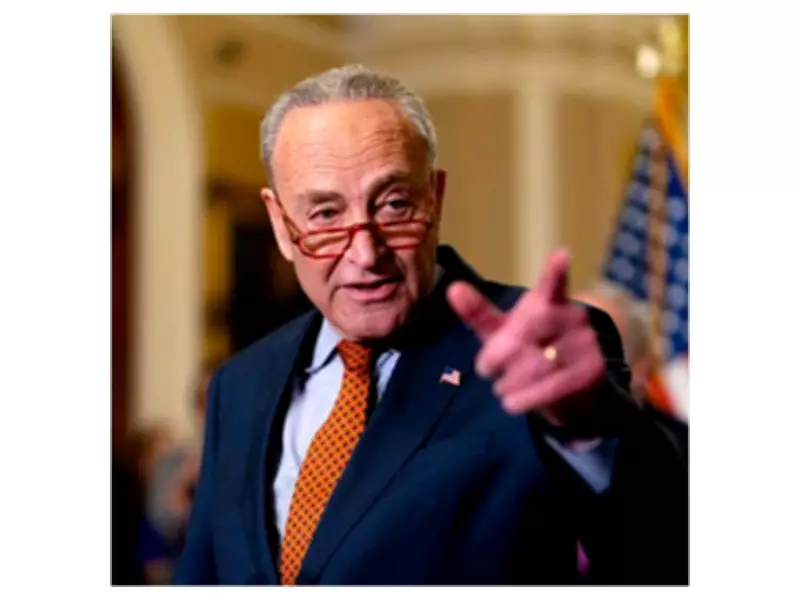
Senate Democratic Leader Chuck Schumer was quick to applaud the court's action, framing it as a major triumph for everyday Americans. In a statement, Schumer emphasized that the ruling represents a victory for the wallets of every American consumer. He argued that the tariffs, which were intended to protect domestic industries, ultimately led to higher prices on imported goods, burdening households and stifling economic growth.
Schumer further elaborated that the Supreme Court's decision will help alleviate financial pressures on families by reducing costs on a wide range of products, from electronics to household items. This move is seen as a step toward more affordable living for millions of citizens.

Background and Implications of the Tariff Reversal
The tariffs in question were part of Trump's broader trade strategy, aimed at challenging what he perceived as unfair practices by trading partners, particularly China. Implemented under Section 301 of the Trade Act of 1974, these measures imposed duties on billions of dollars worth of imports, sparking trade tensions and retaliatory actions from other countries.
However, legal challenges mounted over time, with critics arguing that the tariffs exceeded presidential authority and harmed the U.S. economy. The Supreme Court's ruling now invalidates these measures, potentially reshaping international trade relations and domestic economic policies.
Key aspects of the decision include:
- Rejection of the legal basis for the tariffs, citing overreach in executive power.
- Potential for reduced prices on imported goods, benefiting consumers directly.
- Implications for future trade negotiations and presidential actions in this arena.
Reactions and Future Outlook
While Schumer and other Democrats have hailed the ruling as a win for economic fairness, Republicans and Trump supporters have expressed disappointment, viewing it as a setback for American manufacturing and national interests. The decision is expected to influence ongoing debates about trade policy, with both sides likely to use it as a rallying point in upcoming elections.
Looking ahead, the Supreme Court's action may prompt Congress to reconsider trade legislation and clarify presidential powers in this domain. For now, American consumers can anticipate some relief in their spending, as the tariffs' removal is projected to lower costs in various sectors.