Supreme Court Delivers Major Blow to Donald Trump, Strikes Down Sweeping Emergency Tariffs
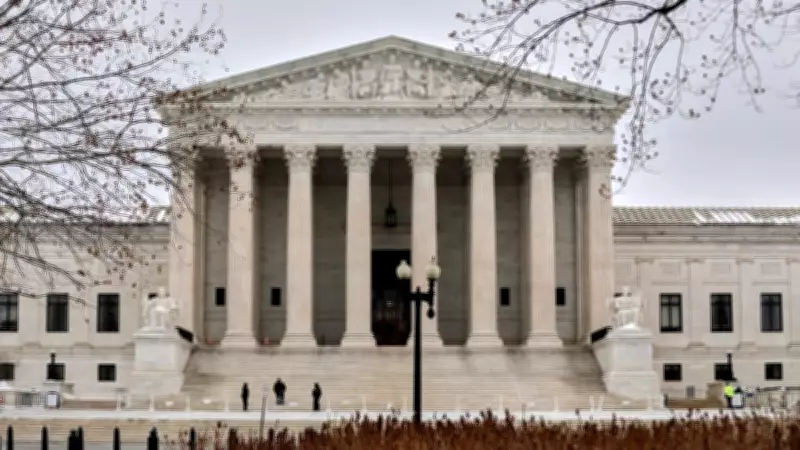
In a landmark decision with far-reaching implications for US trade policy and executive power, the Supreme Court of the United States has struck down the sweeping emergency tariffs imposed by former President Donald Trump. The ruling, issued on February 20, 2026, represents a significant judicial rebuke, determining that the tariffs exceeded the constitutional and statutory authority granted to the presidency.
A Judicial Check on Executive Trade Actions
The court's opinion, delivered by a majority of the justices, centered on the legal boundaries of presidential emergency powers in matters of international trade. The tariffs in question were enacted under claims of national economic emergency, allowing the former administration to impose substantial duties on a wide range of imported goods from multiple trading partners. Legal challenges argued that this action constituted an overreach, bypassing congressional oversight and established trade laws.
The Supreme Court agreed, stating that while the president possesses certain discretionary powers in trade, they are not unlimited. The ruling emphasized that such sweeping unilateral measures, without clearer congressional authorization or meeting stricter emergency criteria, violate the separation of powers. This decision reinforces the role of Congress in setting trade policy and limits the executive's ability to use emergency declarations for broad economic restructuring.

Immediate and Long-Term Consequences
The immediate effect of the ruling is the invalidation of the specific tariff orders, potentially leading to the rollback of duties and adjustments in international trade flows. Economists and trade analysts note that this could ease tensions with affected countries and provide relief to US businesses and consumers who faced higher costs due to the tariffs.
More broadly, the decision sets a crucial legal precedent. It clarifies the limits of presidential authority in declaring trade emergencies and imposes stricter judicial scrutiny on such actions. Future administrations will need to demonstrate a more direct and immediate threat to national security or economic stability to justify similar measures, likely requiring closer collaboration with Congress.
Political and International Repercussions
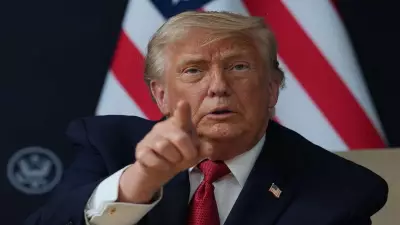
The ruling is a notable political setback for Donald Trump and his policy legacy, challenging a key aspect of his "America First" trade agenda. It also arrives amid ongoing debates about the balance of power between the branches of the US government.
Internationally, the decision may be welcomed by trading partners who viewed the tariffs as protectionist and disruptive to global trade norms. It signals a potential shift toward more predictable and rule-based US trade policy, though its long-term impact will depend on subsequent legislative and executive actions.
In summary, the Supreme Court's ruling not only nullifies a controversial trade policy but also strengthens constitutional checks on presidential power, marking a pivotal moment in US legal and economic history.