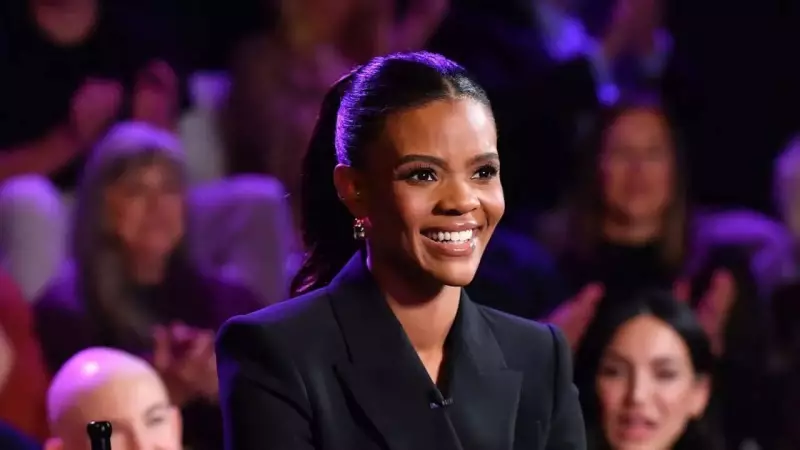
Conservative commentator Candace Owens has ignited a fierce debate about the shifting political discourse around Israel, with her increasingly critical stance drawing scrutiny from allies and critics alike. A new study suggests her rhetoric has not only grown more frequent but also more extreme, raising concerns about antisemitism within certain segments of the American right.
JPPI Study Sounds the Alarm on Escalating Rhetoric
The Jewish People Policy Institute (JPPI), a Jerusalem-based think tank, conducted a detailed analysis of Owens's commentary throughout 2025. Researchers examined approximately 3,000 YouTube videos to track her mentions of Israel and Jewish-related topics. Their findings point to a significant and troubling escalation.
While Owens's early 2025 mentions of Israel were predominantly negative, the key change identified was in frequency and tone. As the year progressed, she referenced Israel and Jews far more often, employing sharper and more inflammatory language. Shuki Friedman, Director General of JPPI, described the data as a clear warning signal.

“Antisemitism on the American far right is now overt and out in the open,” Friedman stated. “The data should serve as a flashing warning light for Israel and its leadership regarding the kind of support it can expect from the right, today and in the future.”
Crossing a Line: Accusations of Genocide and Conspiracy Theories
The JPPI report detailed the specific nature of Owens's framing, which often crossed into territory researchers classified as antisemitic. The study noted her use of sharp rhetoric, including comparisons between Israel and Hamas, accusations of “genocide,” claims of deliberately targeting children, and the promotion of conspiracy theories about Israeli influence over the United States.
The analysis became particularly stark over the final six months of 2025. During this period, the study found that a striking three-quarters of her videos mentioning Jews were classified as containing antisemitic content. This marks a clear distinction from some of her peers and underscores the intensity of her commentary.
A Broader Debate on Media Influence and Political Alliances
Owens's supporters often frame her critiques as legitimate political commentary on Israeli government policies. However, critics and Jewish groups express deepening concern. They argue that as her media platform expands, so does the real-world impact of her words, potentially poisoning a longstanding alliance.
This controversy places Candace Owens at the heart of a complex intersection of media power, political ideology, and rising antisemitism. The JPPI study concludes that only a determined effort to counter this extremism can help preserve the vital base of support for Israel within the United States. The debate, fueled by these findings, shows no signs of abating as right-wing media influence remains under intense scrutiny.