Seattle's $29 Million Settlement Marks a Pivotal Moment for Indian Community in US
In a landmark decision, the city of Seattle has agreed to pay a staggering $29 million (approximately Rs 264 crore) settlement following the tragic death of Jaahnavi Kandula, a 23-year-old Telugu student from India. This compensation stands as one of the highest ever awarded to an Indian national in such cases in the United States, sending a powerful message about accountability and justice.
Community Action Overcomes Family Reluctance to Pursue Legal Battle
Despite the profound grief that led Jaahnavi Kandula's family to initially avoid filing a lawsuit, the determined efforts of the Indian diaspora, particularly the Seattle Telugu Association, ensured the matter was vigorously prosecuted in court. Srinivas Abburi, a key member of the association, revealed that the family was too heartbroken to take legal recourse, with her sister even being offered a visa to pursue the case but declining due to emotional distress.
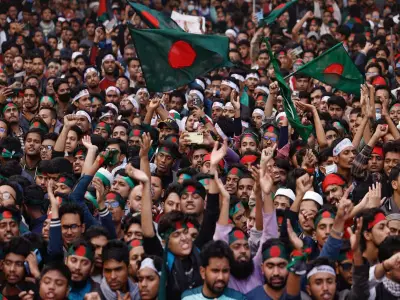
The Seattle Telugu Association stepped in decisively, hiring a local attorney to lead the legal fight and coordinating widespread protests after racist remarks by a police officer went viral. "We decided to fight it out, we organised protests to make it loud and clear that Indian lives matter," Abburi stated, emphasizing how the community felt a collective burn after hearing the inhuman conversation between officers.

Racist Remarks Spark Outrage and Mobilize Broad Support
Jaahnavi Kandula was hit and killed by a speeding police vehicle driven by officer Kevin Dave while crossing a street in Seattle in January 2023. The incident already stirred significant uproar, but it was the subsequent release of footage showing a police officer mocking her death that ignited widespread anger and mobilization.
Not only did the Indian diaspora in the USA rally behind the cause, but Seattle locals and people across the nation were also shocked and outraged by the racist slurs. This broad-based support helped build pressure on politicians and legal authorities, culminating in the historic settlement.
Voices from the Community Reflect on Justice and Closure
Janardan Nimmalapudi, director of the TANA Board, commented on the broader implications of the case. "No amount of money can ever compensate for the loss of human life. This case, however, reflects broader questions about the justice system in America. True justice goes beyond financial settlements or termination of employment—it requires accountability, transparency, and respect for human dignity," he said.
Niranjan Srungavarapu, former president of TANA, noted the deterrent effect of the settlement. "$29 million is relatively big money, and it will act as a deterrent for everyone, including the police. The American justice system has sent a clear message that no one is above the law and racial discrimination of any form will not be tolerated," he asserted.
A Bittersweet Victory with Lasting Impact
The verdict brings a measure of closure to the Indian community, though it is tinged with sadness as Jaahnavi's father passed away before the settlement was announced. Her maternal aunt in Dallas later followed the case, highlighting the extended family's involvement despite initial reluctance.
This case underscores the critical role of community organizations in advocating for justice, especially when families are overwhelmed by tragedy. It also sets a precedent for future incidents involving Indian nationals abroad, reinforcing the importance of collective action in the face of injustice.