Marco Rubio Suggests Preemptive Strike on Iran Amid US Military Buildup in Middle East
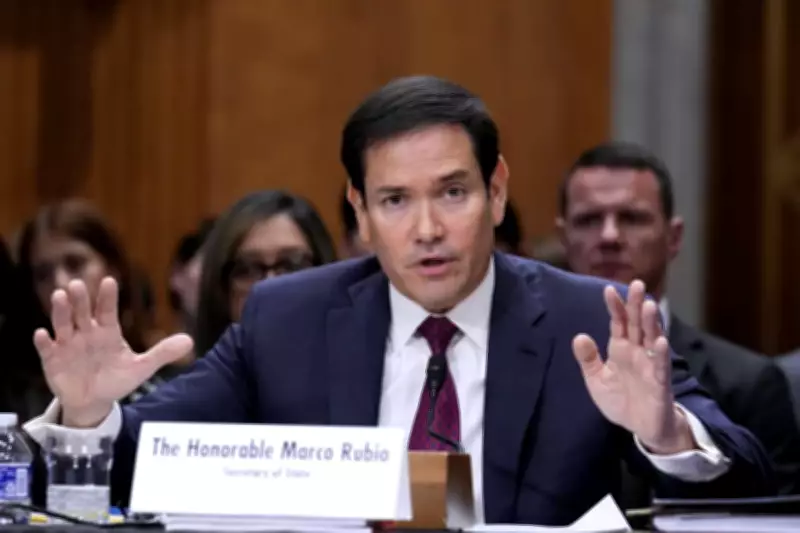
In a significant development that has escalated geopolitical tensions, US Senator Marco Rubio has hinted at the possibility of a preemptive strike against Iran. This statement comes as the United States continues to bolster its military presence in the Middle East, a move that analysts say could signal a more aggressive stance in the region.
Rubio's Remarks on Iran and US Strategy
Senator Marco Rubio, a prominent figure in US foreign policy discussions, made these remarks during a recent interview, where he discussed the ongoing threats posed by Iran. Rubio emphasized that the US should consider all options, including preemptive military action, to counter Iran's activities, which he described as destabilizing for the region. His comments reflect a growing hawkish sentiment among some US policymakers regarding Iran's nuclear program and its support for proxy groups.
Rubio stated, "We cannot afford to wait for Iran to act first. The safety of our allies and our national interests demand that we keep all options on the table, including preemptive measures." This stance aligns with the broader US strategy of deterring Iranian aggression, but it marks a notable shift towards more direct military threats.

US Military Buildup in the Middle East
Concurrently, the United States has been reinforcing its military assets in the Middle East. This buildup includes:
- Deployment of additional troops and naval forces to key strategic locations.
- Enhanced air defense systems to protect allied nations from potential attacks.
- Increased intelligence sharing with regional partners to monitor Iranian movements.
This military enhancement is part of a broader effort to ensure stability in the region, but it has also raised concerns about the potential for escalation. Experts warn that such moves could provoke Iran into retaliatory actions, leading to a wider conflict.
Implications for Regional and Global Security
The combination of Rubio's statements and the US military buildup has significant implications for regional and global security. Iran has responded by condemning the US actions as provocative and threatening its sovereignty. This situation adds to the already tense atmosphere in the Middle East, where conflicts involving other nations and non-state actors are ongoing.
From a global perspective, this development could impact international diplomacy, particularly efforts to revive the Iran nuclear deal. It also raises questions about the role of the United Nations and other international bodies in mediating such disputes. The potential for a preemptive strike introduces a new level of uncertainty, with analysts closely watching how other world powers, such as Russia and China, will react.
Conclusion: A Delicate Balance in Foreign Policy
As the United States navigates this complex scenario, the balance between deterrence and diplomacy remains delicate. Senator Rubio's hints at a preemptive strike highlight the ongoing debate within US politics over how to handle Iran. With the military buildup continuing, the coming months will be critical in determining whether tensions escalate further or if diplomatic channels can be reopened to ease the situation.