Pentagon Assessment Directly Contradicts Trump's Claims on Iran's Military
A newly released Pentagon assessment has delivered a strong contradiction to former President Donald Trump's assertions regarding Iran's military capabilities. The report, which evaluates Iran's defense posture, concludes that the nation retains key military strength across multiple domains, challenging the narrative of a weakened Iranian force.
Details of the Pentagon's Findings
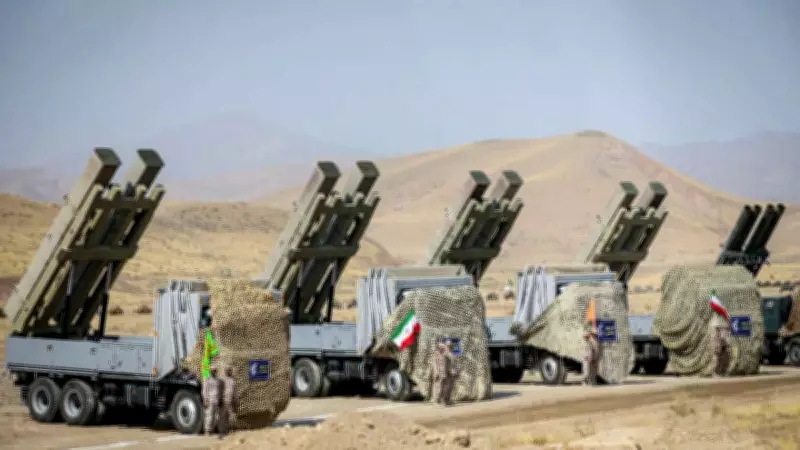
The comprehensive assessment, conducted by the U.S. Department of Defense, highlights that Iran has maintained and even enhanced its military prowess in several critical areas. According to the report, Iran's conventional forces, including its army, navy, and air force, remain robust and operationally capable. The assessment notes significant investments in missile technology, with Iran possessing one of the largest and most diverse ballistic missile arsenals in the Middle East.
Key aspects of Iran's military strength identified in the report include:

- Advanced missile systems capable of striking targets across the region.
- A substantial naval presence in the Persian Gulf, including fast-attack craft and submarines.
- Cyber warfare capabilities that pose a persistent threat to regional and international security.
- Proxy forces and militias across the Middle East, extending Iran's influence beyond its borders.
Contradiction to Trump's Statements
This assessment stands in stark contrast to claims made by former President Trump during and after his administration. Trump frequently asserted that his policies, including the withdrawal from the Iran nuclear deal and the imposition of severe economic sanctions, had significantly degraded Iran's military and economic power. He often portrayed Iran as a weakened state unable to project force effectively.
The Pentagon report, however, suggests otherwise. It indicates that while sanctions have impacted Iran's economy, they have not crippled its military ambitions or capabilities. In fact, the assessment points to Iran's continued development of asymmetric warfare tactics and its ability to sustain prolonged conflicts through regional proxies.
Implications for U.S. Policy and Regional Stability
The findings of this report have significant implications for U.S. foreign policy and regional security dynamics. By affirming Iran's enduring military strength, the assessment may influence future diplomatic and military strategies toward Tehran. It underscores the challenges in containing Iran's influence in the Middle East, particularly in light of ongoing tensions in the region.
Experts suggest that this report could lead to:
- A reevaluation of U.S. sanctions and their effectiveness in curbing Iran's military programs.
- Increased focus on diplomatic engagement to address security concerns.
- Enhanced military preparedness among U.S. allies in the region to counter Iranian threats.
In conclusion, the Pentagon's assessment serves as a critical reminder of Iran's persistent military capabilities, directly challenging previous assertions by former President Trump. As geopolitical tensions continue to evolve, this report provides a factual basis for understanding the complex security landscape in the Middle East.