Minnesota Faces Escalating Crisis Over ICE Enforcement
Department of Homeland Security Secretary Kristi Noem has launched a sharp attack on Minnesota Governor Tim Walz and Minneapolis Mayor Jacob Frey. She accuses them of failing to control escalating unrest linked to President Donald Trump's immigration crackdown.
Violent Incidents Fuel Protests
Protests in Minneapolis intensified following two serious incidents. First, a deadly shooting involving ICE agents claimed the life of a U.S. citizen. Shortly after, a federal officer shot a Venezuelan man during a traffic stop. Authorities report the officer faced an attack with a snow shovel and broom handle.
Noem issued a strong warning about the consequences of inflammatory rhetoric. She stated that statements from state and city leaders are directly fueling violence against federal law enforcement officers. The DHS Secretary labeled such actions as felonies that seriously endanger public safety.

Trump Considers Federal Intervention
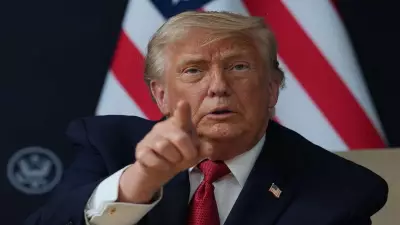
As tensions continue to rise, President Trump has made a significant threat. He indicated he might invoke the Insurrection Act, which could lead to the deployment of federal forces to Minnesota. This move would occur if state officials fail to restore order promptly.
Governor Walz and Mayor Frey have pushed back against these accusations. Both leaders are urging calm among protesters and opposing any further federal escalation. They emphasize the need for peaceful resolution rather than increased military presence.
National Implications of the Conflict
Washington officials maintain that all options remain available. The White House insists it will take necessary measures to protect federal personnel and ensure law enforcement operations can proceed safely.
This clash has transformed into a national flashpoint with multiple dimensions. The debate now encompasses immigration enforcement procedures, public safety concerns, and the limits of federal authority versus state rights. The situation continues to develop with significant implications for national policy.
Observers note the unusual intensity of this confrontation. It represents one of the most direct conflicts between state leadership and federal immigration authorities in recent memory. The outcome could set important precedents for how similar situations are handled across the United States.