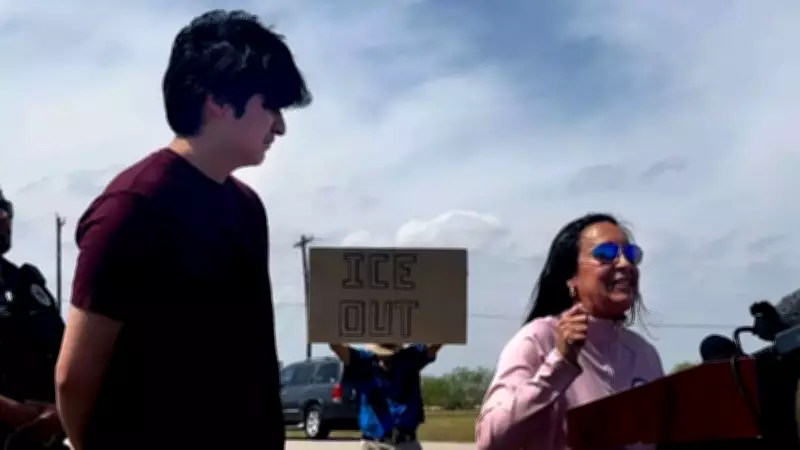
Mariachi Star Family Reunited After Weeks in Immigration Detention
In a deeply emotional saga that has captured national attention, the Gámez-Cuéllar family, whose teenage sons are rising stars in the McAllen High School Mariachi Oro band, was reunited on Monday after enduring weeks of detention in South Texas. The family, including parents and three children, had been held following a mass immigration enforcement action that has drawn widespread bipartisan criticism.
A Talented Family's Journey Interrupted
For brothers Antonio, 18, and Joshua, 14, along with their 12-year-old sibling, the detention represented a cruel interruption in lives already marked by extraordinary achievement. The boys' mariachi ensemble has performed at prestigious venues such as the White House and Carnegie Hall, and they have secured an impressive eight state championships, showcasing their dedication and musical talent.
The detention raised fears about the potential loss of their hard-earned skills, with Antonio recently crowned first-chair trumpet in a state competition and planning to graduate high school to pursue music education in college.

Emotional Reunion Amidst Anguish and Relief
US Representative Joaquin Castro, who visited the family at the Dilley detention facility in Texas, described the reunion as profoundly moving. "They were ecstatic. They were crying. They were excited to be reunited with their son and brother, Antonio, who was being held separately in Raymondville," he recounted.
Yet, amidst the relief, the family's mother expressed ongoing anguish, questioning repeatedly, "What did we do wrong? We followed all the rules. We went to court, we haven't done anything wrong." This sentiment has resonated with supporters across the nation, highlighting the personal toll of immigration policies.
Legal Pathways and Detention Controversy
The Department of Homeland Security initially stated that the parents "chose" to bring their children when detained, asserting the family entered illegally in 2023 near Brownsville. However, Efrén C. Olivares, an attorney with the National Immigration Law Center representing Antonio, clarified that the family entered lawfully through the CBP One app, a legal asylum pathway.
Antonio's release was facilitated after a parole request was granted by Immigration and Customs Enforcement (ICE), without requiring a judge's order. The family will continue mandatory check-ins with ICE as their asylum case progresses through the legal system.
Bipartisan Political Support and Criticism
Support for the Gámez-Cuéllar family has transcended party lines, with political voices rallying around their case. US Representative Monica de la Cruz, a Republican, called for "commonsense" enforcement policies that balance border security with humane treatment. McAllen Mayor Javier Villalobos voiced support for responsible pathways for law-abiding families.
US Representative Adriano Espaillat, chair of the Congressional Hispanic Caucus, denounced the detention as "outrageous," while Castro highlighted the irony of the Trump administration's crackdown, noting the boys were once invited to perform on Capitol Hill.
Musical Dreams Remain Unshaken
Despite the trauma of detention, the brothers' dedication to music remains steadfast. Their mariachi directors visited them in Dilley, offering encouragement and reassurance. Alex Treviño, director of the band, shared, "They were worried that their fingers weren't going to work because they didn't have instruments." This concern underscores the profound impact of detention on artistic development.
Broader Debate on Children in Detention
The Gámez-Cuéllar case has reignited critical discussions on the treatment of children under U.S. immigration enforcement. Advocates point out that even facilities like Dilley, designed for families with classrooms and educational resources, can have harmful conditions, including limited medical care and inadequate food.
Castro emphasized, "This family followed the rules, yet they were caught in a policy that treated them like criminals. Their story highlights the need for a humane, common-sense approach to immigration."

As the Gámez-Cuéllar family steps back into freedom, their reunion serves as a poignant reminder of the resilience of children, the transformative power of music, and the urgent need for a compassionate and rational conversation around immigration policies in the United States.