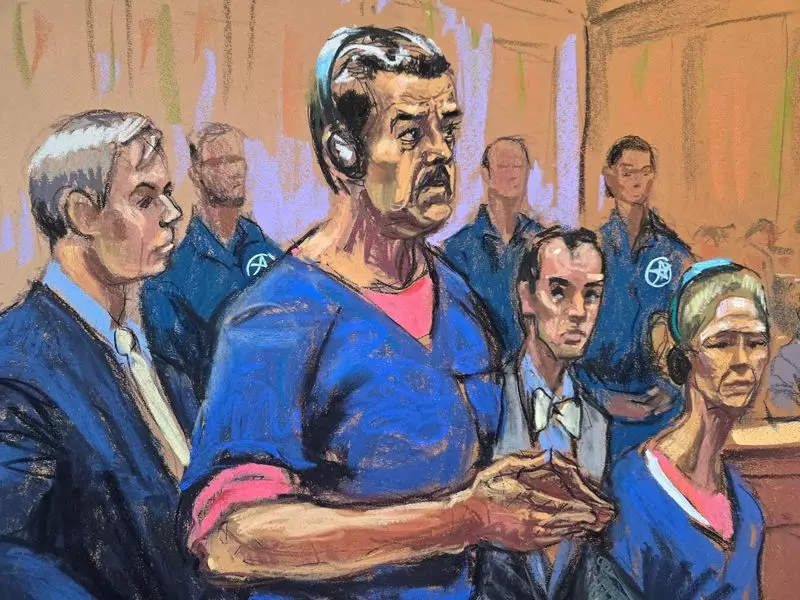
Cilia Flores, the wife of Venezuelan President Nicolás Maduro, has entered a plea of not guilty during her first appearance in a United States court. The hearing, held via video conference, saw Flores and her legal team launch a sharp attack against the US government, framing her extradition and arrest as a politically motivated "abduction."
Allegations of Political Abduction in US Court
During the proceedings in a Manhattan federal court, Flores's defense attorney, David Rody, vehemently contested the legitimacy of the US case against his client. He argued that the entire process leading to her presence in a US courtroom was fundamentally flawed. Rody accused US authorities of orchestrating an "abduction" of Flores from the Caribbean island of Aruba, where she was reportedly detained before being brought to the United States to face charges.
The defense's narrative painted the case as a direct extension of the long-standing political conflict between Washington and the government of Nicolás Maduro. Rody stated that the charges were not based on legitimate legal grounds but were instead a tool for political persecution, aimed at targeting the family of the Venezuelan leader. The US government has not publicly commented on the specific "abduction" allegations raised in court.

The Core Charges: Money Laundering and Sanctions Evasion
The legal basis for the US action stems from a sealed indictment that was recently unsealed. Flores faces serious charges of conspiracy to commit money laundering and conspiracy to violate US sanctions against Venezuela. The allegations are connected to a complex financial scheme.
Prosecutors allege that Flores and several co-defendants were involved in a plan to launder money derived from corruption in Venezuela. The scheme reportedly involved the use of the US financial system to move illicit funds. A key element of the accusation is that the conspirators allegedly used a Turkish bank and front companies to disguise the origin and ownership of the funds, seeking to bypass the stringent economic sanctions imposed on Maduro's government by the United States.
Diplomatic Fallout and Venezuela's Response
The arrest and court hearing of Cilia Flores have significantly escalated diplomatic tensions between the United States and Venezuela. The government in Caracas has reacted with fury, condemning the US judicial action as an illegal overreach and a violation of international law.
President Nicolás Maduro has publicly denounced the case, framing it as a direct attack on his family and his administration. Venezuelan officials have vowed to use all diplomatic and legal channels to secure Flores's release. This incident adds another layer of complexity to the already fractured relationship between the two nations, which has been strained by issues of democracy, human rights, and Venezuela's economic crisis for years.
The judge presiding over the case has ordered Flores to be held in custody until her trial. The next steps in the legal process will involve pre-trial motions and hearings, where the defense is expected to continue its argument that the case is politically tainted and should be dismissed. The outcome is being closely watched as a major test of the US judicial system's handling of high-profile international cases with clear political dimensions.