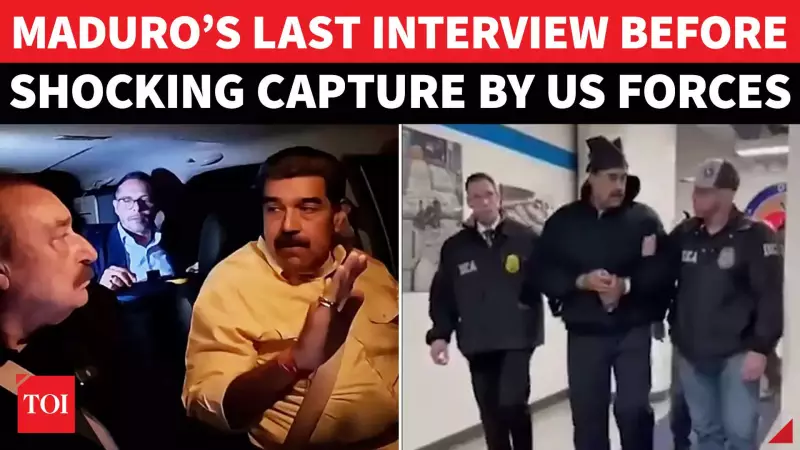
In a dramatic turn of events that has shaken global politics, Venezuelan President Nicolas Maduro gave what would be his final public interview on December 31, 2025, extending an olive branch to American businesses just before his reported capture by US forces. The interview, now viewed with historical hindsight, reveals a leader seemingly unaware of the imminent operation to end his regime.
The Final Offer: Oil and Open Doors to the US
During his last known media appearance, Maduro made a significant overture to the United States. He explicitly stated that Venezuela was prepared to welcome investments from US companies, particularly in the crucial oil sector. "Venezuela is ready for US investments, like with Chevron, whenever they want, wherever they want, and however they want," Maduro declared. This statement marked a notable shift in rhetoric, aiming to rebuild economic bridges with a nation his government had long been at odds with.
Simultaneously, the Venezuelan leader took the opportunity to reject accusations of state involvement in drug trafficking levied by Washington. He countered by claiming his administration possessed a 'perfect model' to combat the narcotics trade, defending his government's record on the international stage.

A Single "Respectful" Call with Trump
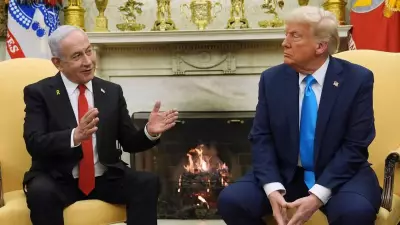
Adding a personal diplomatic layer to the narrative, Maduro confirmed the nature of his relationship with then-US President Donald Trump. He revealed that the two heads of state had held only one telephone conversation, which took place on November 21. Maduro described this high-level exchange as both 'respectful' and 'cordial', suggesting a brief moment of diplomatic engagement amidst years of hostility and sanctions. This detail adds complexity to the subsequent military action ordered by the Trump administration.
Aftermath and Global Repercussions
The interview, broadcast on January 4, 2026, by TOI, was quickly overshadowed by reports of Maduro's capture. The operation, described by US officials as a mission to end his regime, has triggered a severe political and constitutional crisis in Venezuela. The country's new authorities have demanded 'proof of life' for the detained president.
Internationally, the action has drawn sharp condemnation from Venezuela's allies. Major powers like China and Russia have accused the United States of crossing red lines, with threats of retaliation for what they label an 'abduction' on sovereign soil. In response, President Trump has outlined plans to redirect Venezuela's vast oil resources, potentially away from these rival nations, stating an intent to 'sell to China, Russia' on American terms.
The event marks a stark and violent conclusion to a political standoff that lasted years, transforming a final interview from a potential peace feeler into a poignant prelude to a leader's downfall.