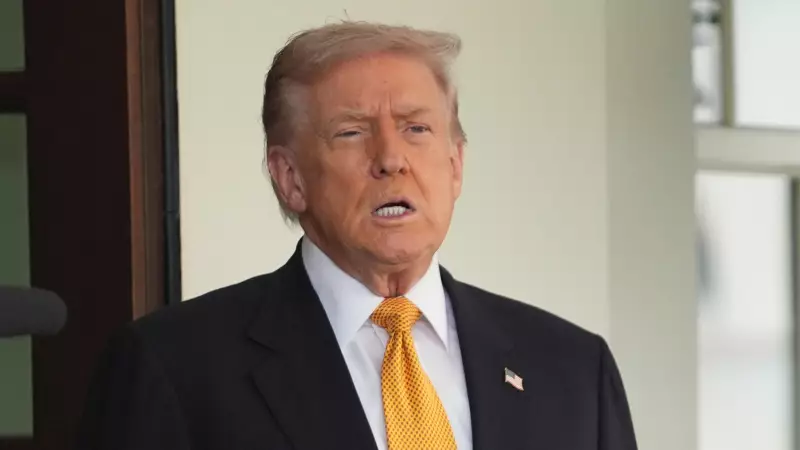
Multiple legal challenges have emerged against former President Donald Trump's deployments of National Guard troops across various states, with courts delivering significant rulings that could shape future presidential authority. These cases represent crucial tests of the balance between federal power and states' rights during times of civil unrest and emergency situations.
Key Legal Battles Over Military Deployments
The judicial system has been actively reviewing cases where state officials and civil rights groups questioned the legality of National Guard mobilizations ordered by the Trump administration. These legal contests primarily focused on the scope of presidential powers versus states' autonomy in managing their National Guard units during domestic crises.
Several governors and state attorneys general filed lawsuits arguing that the federal government overstepped its constitutional boundaries by deploying guardsmen without proper consultation or against the wishes of state leadership. The core legal question revolved around whether the President could unilaterally command state National Guard forces for domestic law enforcement purposes.

Notable Court Decisions and Their Implications
Federal courts have issued mixed rulings in these cases, creating a complex legal landscape for future administrations. Some judges upheld the federal government's authority, citing national security concerns and the President's role as Commander-in-Chief. Other rulings favored states' rights, emphasizing the traditional role of National Guard units as state-controlled forces unless federalized through proper channels.
The timing of these deployments often coincided with periods of civil unrest and protests in various cities, raising additional constitutional questions about the use of military forces for domestic policing. Legal experts have closely monitored these cases as they could establish important precedents for how future presidents might deploy National Guard troops during similar situations.
Long-term Impact on Presidential Authority
The court decisions emerging from these legal challenges are likely to have lasting consequences for the relationship between federal and state military authority. Legal scholars note that the rulings could either expand or constrain future presidents' ability to deploy military assets within US borders, depending on which legal interpretations ultimately prevail in higher courts.
These cases have also highlighted the delicate balance between maintaining public order and preserving civil liberties. As different circuit courts have reached varying conclusions, the possibility of Supreme Court intervention remains open, potentially setting nationwide standards for National Guard deployments during domestic emergencies.
The ongoing legal battles demonstrate the continuing tension between executive power and constitutional checks and balances. With National Guard units playing increasingly important roles in domestic crisis response, these court rulings will likely influence how both state and federal governments approach future emergency deployments and intergovernmental cooperation during times of national need.