The recent seizure of Venezuelan leader Nicolás Maduro by United States authorities has triggered a wave of sharply contrasting reactions across Latin America. The event, reported by Reuters on 04 January 2026, has laid bare the deep-seated divisions within the region regarding foreign intervention and the legacy of authoritarian rule.
A Region Haunted by History
A significant portion of Latin America has historically viewed US intervention with profound suspicion. This wariness stems from a painful 20th-century history where American actions contributed to the installation of repressive regimes in countries ranging from Chile to Honduras. Many nations fear a return to that era of powerful external influence dictating their internal political destinies.
The Complex Figure of Nicolás Maduro
Complicating the regional response is the figure at the centre of the event: Nicolás Maduro himself. The Venezuelan president presided over a catastrophic social and economic collapse in his oil-rich nation. Under his leadership, Venezuela experienced hyperinflation, severe shortages of basic goods, and a massive exodus of its citizens. Consequently, Maduro had become an increasingly unpopular and isolated leader, even among some traditional allies, long before the US action.

Divided Responses: Condemnation vs. Applause
The regional reaction has been far from monolithic. On one side, several governments and political factions have condemned the US move as a blatant violation of sovereignty and a dangerous precedent. They argue that such actions undermine the principle of non-intervention, a cornerstone of international law for many in the region.
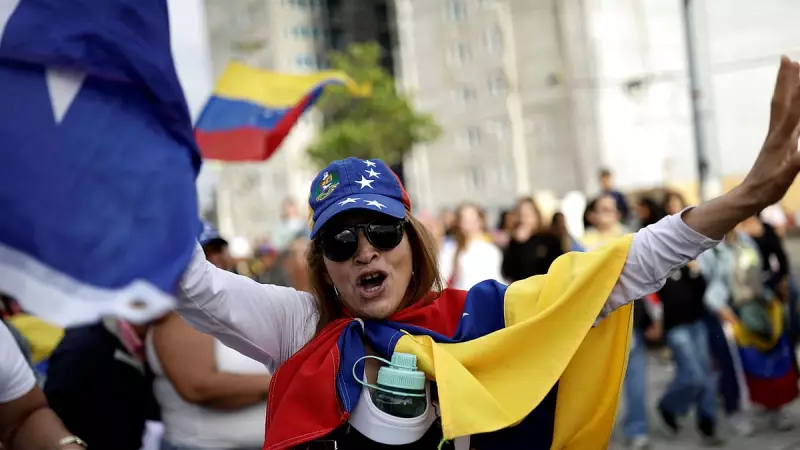
Conversely, other voices in Latin America have met the news with open applause. For critics of Maduro's government, including opposition leaders and citizens who fled Venezuela, the action represents a long-overdue step towards accountability for a leader they hold responsible for humanitarian suffering and democratic backsliding.
This split highlights the ongoing tension in Latin American politics between the defence of national sovereignty and the demand for democratic accountability. The event underscores that while the ghost of past US interventions looms large, domestic failures of leadership can create scenarios where external action finds both fierce critics and reluctant supporters within the region itself.