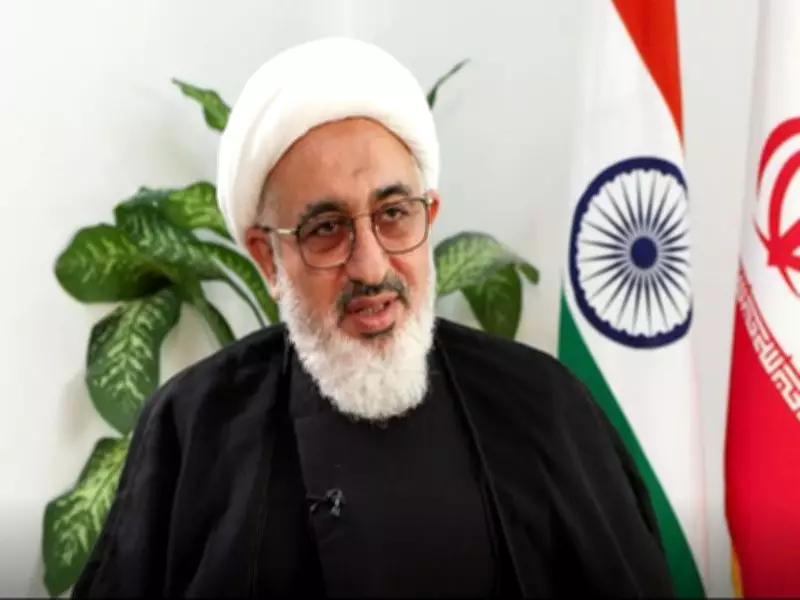
Iran's Diplomat in India Raises Questions Over US Actions and Statements
In a pointed critique of United States foreign policy, Iran's representative to India, appointed by Supreme Leader Ayatollah Ali Khamenei, has publicly questioned the consistency and motives behind recent US military actions. The diplomat highlighted a significant contradiction in US statements and actions regarding Iran's nuclear program.
Contradiction in US Claims and Military Strikes
The representative emphasized that former US President Donald Trump had previously asserted that Iran's nuclear capabilities were effectively destroyed during his administration. This claim was made in the context of broader US-Iran tensions and sanctions. However, the recent US attacks on Iranian targets have raised eyebrows and prompted scrutiny.
If the nuclear capabilities were indeed neutralized as Trump claimed, the diplomat argued, then what justifies the renewed military aggression? This question underscores a perceived inconsistency in US strategy, suggesting that either the initial claim was inaccurate or the recent attacks serve other geopolitical objectives beyond nuclear non-proliferation.

Geopolitical Implications and Regional Tensions
The statement from Iran's representative comes amid heightened tensions in the Middle East, with the US and Iran engaging in a series of confrontations. The diplomat's remarks are seen as an attempt to challenge the narrative presented by the US and to rally international opinion against what Iran views as unwarranted aggression.
- The US has conducted multiple strikes on Iranian-linked facilities in recent months, citing threats to regional stability.
- Iran maintains that its nuclear program is for peaceful purposes and denies any intent to develop weapons.
- The contradiction raised by the diplomat could influence diplomatic efforts and alliances in the region.
Broader Context of US-Iran Relations
Relations between the US and Iran have been strained for decades, with nuclear issues at the forefront. The Trump administration's withdrawal from the Iran nuclear deal (JCPOA) and imposition of severe sanctions escalated tensions. The current US administration has continued a policy of pressure, albeit with occasional diplomatic overtures.
The representative's questioning adds to the ongoing debate about the effectiveness and transparency of US foreign policy in the Middle East. It also reflects Iran's strategy of using diplomatic channels to counter US actions and garner support from countries like India, which has complex ties with both nations.
- Trump's claims about destroying Iran's nuclear capabilities were part of his administration's hardline stance.
- Recent US attacks have targeted Iranian military and proxy forces in the region.
- Iran's response includes diplomatic protests and military preparedness.
In conclusion, the remarks from Khamenei's representative in India highlight a critical inconsistency in US actions, urging a reevaluation of the motives behind the attacks. This development is likely to fuel further discussions in international forums and impact the delicate balance of power in the Middle East.