Indian-American Doctor Sets Record Straight on Male Pregnancy in Senate Hearing
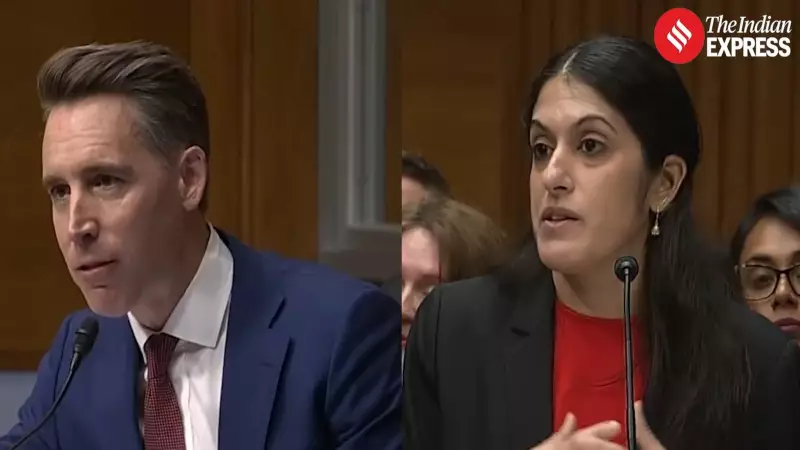
Dr. Nisha Verma, an Indian-American obstetrician-gynecologist, provided clear medical facts during a recent United States Senate committee session. She addressed a claim made by a Republican senator about men becoming pregnant. Dr. Verma explained the biological reality in simple terms.
Senator's Question Sparks Medical Clarification
The discussion happened at a hearing focused on reproductive healthcare policies. Senator John Kennedy, a Republican from Louisiana, asked Dr. Verma if men can get pregnant. This question came up while talking about transgender individuals and pregnancy issues.
Dr. Verma responded with professional clarity. She stated that men, as defined biologically, cannot experience pregnancy. She emphasized that pregnancy requires specific female reproductive anatomy which men do not possess.

Dr. Verma's Expertise and Background
Nisha Verma brings strong credentials to this conversation. She works as an OB-GYN and also serves as a Darney-Landy Fellow at the American College of Obstetricians and Gynecologists. Her role involves advocating for reproductive health policies.
During her testimony, Dr. Verma highlighted important healthcare points. She discussed how abortion restrictions impact medical practice. She explained the challenges doctors face when state laws conflict with standard medical care.
The Broader Context of Reproductive Health Debates
This exchange occurred amid ongoing national debates about reproductive rights. The hearing examined the effects of the Supreme Court's decision to overturn Roe v. Wade. Lawmakers considered how this ruling affects healthcare access across America.
Dr. Verma shared insights from her clinical experience. She described real situations where patients needed urgent pregnancy-related care. She explained how legal barriers sometimes delay necessary medical treatments.
The Indian-American physician stressed the importance of evidence-based medicine. She urged policymakers to consider scientific facts when creating healthcare laws. Her testimony aimed to inform legislative decisions with accurate medical information.
Reactions and Implications
The hearing drew attention from various groups. Medical organizations supported Dr. Verma's factual explanations. Advocacy groups noted the significance of having doctors provide expert testimony.
This incident shows how healthcare discussions sometimes involve basic biological clarifications. It underscores the value of medical expertise in policy-making processes. Dr. Verma's response helped maintain factual accuracy in a politically charged environment.
The conversation continues to evolve as reproductive health remains a prominent national issue. Experts like Dr. Verma play crucial roles in ensuring debates remain grounded in scientific reality.