Ilhan Omar Attack Follows Years of Targeted Criticism by Donald Trump
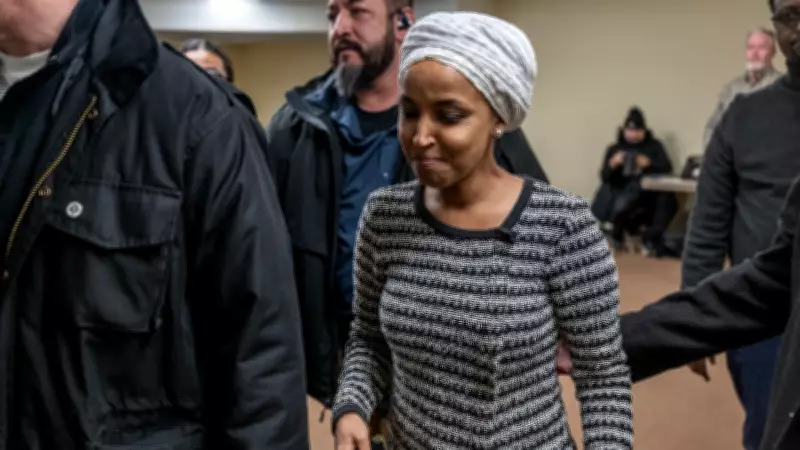
Representative Ilhan Omar, a prominent figure in US politics, has recently faced an attack, an incident that underscores a troubling pattern of hostility directed at her. This event is not isolated but rather the culmination of years of targeted criticism and inflammatory rhetoric, most notably from former President Donald Trump. The attack on Omar has sparked widespread concern and debate about the safety of public officials and the impact of political discourse in the United States.
Background of Trump's Targeting
Donald Trump, during his presidency and beyond, frequently singled out Ilhan Omar, often using harsh language and making controversial statements about her. This targeting began early in her political career and intensified over time, with Trump accusing her of various issues and questioning her loyalty to the country. His remarks were widely covered in the media and contributed to a polarized environment where Omar became a focal point for political attacks.
The former president's criticism was not limited to policy disagreements but often veered into personal attacks, which many observers argue fueled animosity towards Omar. This sustained targeting by a high-profile figure like Trump has been linked to increased threats and harassment against her, highlighting the dangerous consequences of such rhetoric in modern politics.

Details of the Recent Attack
The recent attack on Ilhan Omar occurred in a context where she has been a vocal advocate for progressive policies and a critic of certain US foreign policies. While specific details of the attack are still emerging, it is reported to have involved physical or verbal aggression, further alarming her supporters and colleagues. This incident has prompted calls for enhanced security measures and a reevaluation of how political leaders are protected from such threats.
In response to the attack, many political figures and organizations have condemned the violence and expressed solidarity with Omar. They have emphasized the need for respectful dialogue and the importance of safeguarding democratic processes from intimidation and harm. The attack has also reignited discussions about the role of social media and political rhetoric in escalating tensions.
Implications for US Politics
The targeting of Ilhan Omar by Donald Trump and the subsequent attack raise significant questions about the state of political discourse in the United States. It underscores how inflammatory language from influential leaders can contribute to a climate of hostility and violence. This situation serves as a stark reminder of the responsibilities that come with political power and the potential real-world impacts of words and actions.
Moving forward, there is a growing call for bipartisan efforts to address such issues, including better protection for public officials and more constructive political engagement. The incident involving Omar may lead to policy changes or increased awareness about the dangers of targeted criticism in politics. As the US continues to navigate complex political landscapes, the safety and well-being of its representatives remain a critical concern.
In conclusion, the attack on Ilhan Omar is a sobering event that follows years of targeted criticism by Donald Trump. It highlights the interconnectedness of political rhetoric and personal safety, urging a reflection on how to foster a more respectful and secure political environment. The ongoing developments in this case will likely influence future discussions on political accountability and protection in the United States.