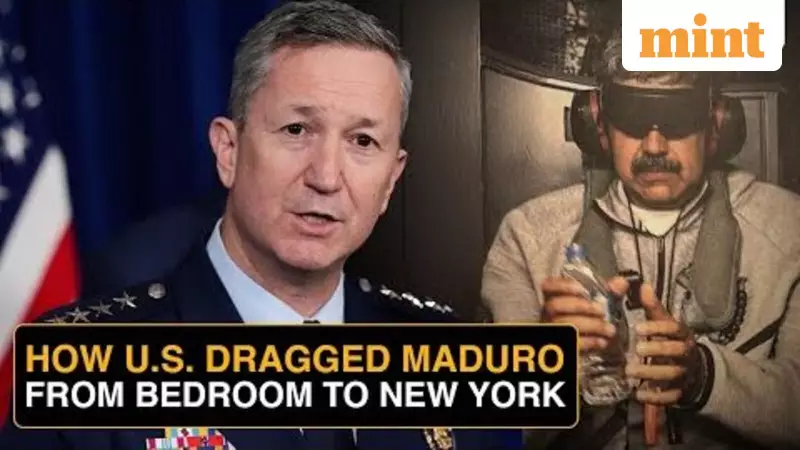
In a stunning revelation, United States authorities have disclosed intricate details of a high-stakes covert operation that culminated in the capture of Venezuelan President Nicolás Maduro and First Lady Cilia Flores. The operation, which has sent shockwaves through international diplomacy, was reportedly authorized and executed following an extensive intelligence campaign.
The Covert Mission: From Tracking to Capture
The White House confirmed that the mission was the result of months of meticulous intelligence tracking. Elite units, including the famed Delta Forces, worked in concert with various federal agencies in a cross-border endeavour. Officials stated that the final authorization came late on Friday night, with the operation unfolding in the early hours of the following day.
One of the most striking aspects revealed was the depth of surveillance on the Venezuelan leader. Intelligence operatives had reportedly monitored President Maduro's routine so closely that they had insight into his daily activities, including eating and sleeping patterns. This granular intelligence was pivotal in planning the precise moment for the capture.

Execution and Immediate Aftermath
The operation was executed with precision, leveraging the intelligence gathered over the preceding months. The collaboration between elite military special forces and federal agencies was key to its success, operating seamlessly across international borders. The capture of both President Nicolás Maduro and First Lady Cilia Flores marks an unprecedented move in US-Venezuela relations.
The immediate repercussions are already being felt across Latin America, with regional governments and global powers assessing the dramatic shift in the political landscape. The operation, carried out under the command of the then US administration, represents a significant escalation in the long-standing tensions between Washington and Caracas.
Regional Repercussions and Global Response
The fallout from this operation is extensive. Latin American nations are now grappling with the implications of such a direct intervention. The event sets a formidable precedent and raises urgent questions about sovereignty, international law, and the future of diplomatic engagements in the region.
Analysts suggest that the strategy of using elite Delta Forces, supported by sustained intelligence, indicates a shift towards more direct action in US foreign policy under the previous administration. The world now watches closely to see how this bold capture will influence geopolitics, energy markets, and regional stability in the days to come.