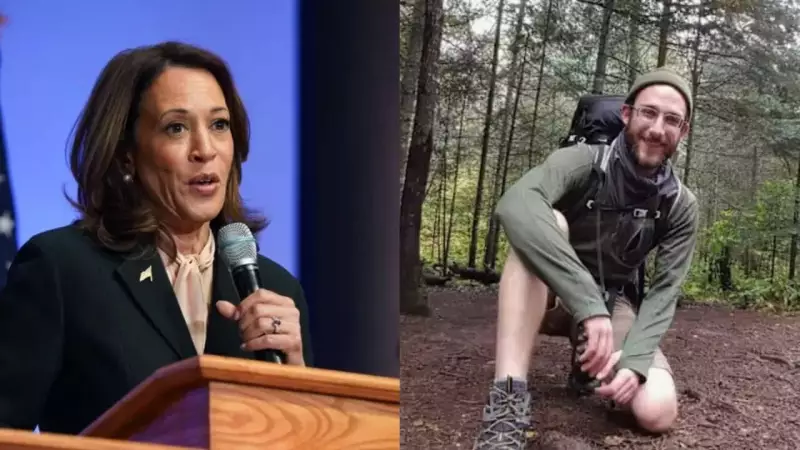
Kamala Harris's Viral Tweet Condemns Federal Shooting of ICU Nurse in Minneapolis
In a powerful social media statement that rapidly captured national attention, former US Vice President and prominent Democratic leader Kamala Harris took to X (formerly Twitter) to express outrage over the killing of Alex Jeffrey Pretti, a 37-year-old ICU nurse shot dead by federal law enforcement officers in Minneapolis on January 24, 2026.
Harris's emotional tweet crystallized widespread political and public anger surrounding the incident, intensifying ongoing debates about federal law enforcement practices across American cities.
The Controversial Incident That Sparked National Outrage
The tweet emerged amidst chaos in Minneapolis following federal agents' fatal shooting of Alex Pretti, who worked at the Minneapolis Veterans Affairs Health Care System. Law enforcement officials described the operation as immigration enforcement, with federal agencies claiming Pretti approached officers with a handgun during the encounter, prompting a Border Patrol agent to fire.

However, independent footage and eyewitness accounts have raised serious questions about this official narrative. Videos circulating widely on social media platforms show Pretti holding a phone and attempting to assist a woman who had been pushed by an agent before he was pepper-sprayed, wrestled to the ground, and then shot multiple times.
Harris's Powerful Statement and Its Political Implications
Harris tweeted, "Alex Jeffrey Pretti was an ICU nurse at a VA hospital. His life, through his profession, was dedicated to serving his community and our country. As so many have now seen on video, his final act before he was killed by federal agents was doing everything in his power to protect his community."
She continued with even stronger language, writing, "Alex and tens of thousands of Minnesotans have boldly defended their neighbours against the murderous occupation of an American city by the federal government." The message concluded with a forceful expression of personal and national grief: "I am enraged and heartbroken for Alex, his family, Minneapolis, and America."
Harris's statement carries significant weight not only for its emotional intensity but for how it frames the narrative of the incident. It humanizes Pretti by emphasizing his professional life as a caregiver and his dedication to community service, creating a stark contrast with official statements that painted the episode as a violent confrontation.
Broader Political Reactions and National Debate
The former vice president's remarks align with similar condemnations from Democratic officials across the United States. Following the shooting, lawmakers including California Governor Gavin Newsom and other national Democrats called for accountability and even structural changes to immigration enforcement practices.
Some political figures demanded congressional action to defund or restrict Immigration and Customs Enforcement (ICE) and Border Patrol operations amid growing public protests. The incident also prompted organized demonstrations in Minneapolis, where protesters clashed with law enforcement, leading to the activation of the Minnesota National Guard to maintain order.
Narrative Conflict and Systemic Issues
Harris's tweet serves as a lens through which many Americans view the Pretti shooting, transforming it from a mere law-enforcement encounter into a broader symptom of systemic governance issues. Critics see federal enforcement actions in Minneapolis as emblematic of deeper problems:
- Use of force and civilian casualties during federal operations
- Transparency concerns, with state officials reportedly denied access to investigate the scene
- Messaging disputes between official agency accounts and independent video evidence suggesting different sequences of events
This narrative conflict between official justification and public video evidence, amplified by political critique, has made the incident a flashpoint in national discussions about law enforcement, civil liberties, and executive authority.

National Implications and Polarized Perspectives
The dialogue sparked by Harris's tweet extends far beyond Minneapolis, feeding into larger national conversations about how US cities interact with federal law enforcement, particularly regarding controversial policies like aggressive immigration enforcement.
Supporters of stronger immigration control argue federal agents are necessary to enforce laws, while opponents view these actions as governmental overreach that jeopardizes community safety and civil rights. The polarized reactions highlight how a single high-profile incident can galvanize national political discourse, shaping narratives about government power, accountability, and community protection.
Ongoing Developments and Future Implications
Through her powerful social media statement, Kamala Harris has ensured that Alex Pretti's death remains not only a local tragedy but a symbol in national political debate, raising fundamental questions about citizen safety, federal power, and how Americans expect government agents to interact with the people they are meant to protect.
Several key developments continue to unfold:
- Investigations and legal scrutiny: Minnesota officials have pursued legal action to prevent federal authorities from destroying evidence related to the incident
- Public protests and civic responses: Minneapolis has witnessed sustained public demonstrations calling for transparency and justice
- Political mobilization: Democrats and civil liberties advocates continue using the case to argue for policy changes in federal law enforcement practices
The bluntness of Harris's language, including phrases like "murderous occupation of an American city by the federal government," highlights how polarized the political reaction has become. Critics of federal enforcement see the shooting as part of a pattern of excessive force against civilians, while supporters of the agents' actions maintain they were acting to protect themselves and enforce the law.
This incident has become a critical moment in American political discourse, with implications that will likely influence policy discussions, law enforcement practices, and community-government relations for the foreseeable future.