US H-1B Visa Debate Intensifies Amid Rising Racist Rhetoric Targeting Indians
A contentious debate over the H-1B visa program in the United States is increasingly intersecting with reports of racist rhetoric targeting South Asians, particularly Indians, who constitute the largest group of beneficiaries under this scheme. What originated as a policy dispute concerning jobs and wages has, in numerous instances, escalated into public hostility at local meetings and across various online platforms. An in-depth report by The New York Times documents how opposition to the H-1B program has been accompanied by conspiracy theories and slurs directed at Indian communities. For Indian students and professionals who regard the US as a pivotal destination for higher education and specialized employment, these developments carry implications that extend far beyond mere immigration policy.
Local Flashpoints and Escalating Rhetoric
At a recent City Council meeting in Frisco, Texas, several speakers alleged that the H-1B program had led to an "Indian takeover" of the city, as reported by The New York Times. Others described visa holders as "fraudsters" and "low-quality scammers", language quoted by The New York Times from the public proceedings. One speaker stated, "We must maintain our Rhodesia," invoking the former white-ruled state, as quoted by The New York Times. Frisco’s mayor, Jeff Cheney, characterized many of the speakers as "outside agitators" who did not represent most residents, according to The New York Times. The newspaper reported that while some attendees raised concerns about job losses and wages, South Asian residents expressed fear over the tone of the debate.
How the H-1B Program Operates
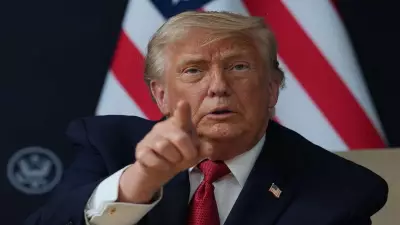
Established in 1990, the H-1B program permits up to 85,000 foreign workers annually to fill specialized roles in the United States. The New York Times reported that in 2023, approximately three-quarters of the roughly 400,000 approved H-1B applications were for Indian nationals, citing Pew Research Center data. Dallas-Fort Worth ranked fourth among metropolitan areas for approved petitions that year. Rules prohibit employers from paying H-1B workers less than similarly qualified US workers, though, as The New York Times noted, the effectiveness of these safeguards remains disputed. Critics have highlighted past layoffs, including the 2015 decision at Walt Disney World where technology workers were instructed to train H-1B replacements, as reported by The New York Times. In 2024, a federal jury found that Cognizant had intentionally discriminated against non-Indian employees for years, according to the newspaper. US President Donald Trump has mandated a $100,000 fee for new H-1B applications, even while acknowledging the need for some skilled foreign workers, The New York Times reported.

Surge in Hate Speech and Political Targeting
Between January 2023 and December 2025, the use of anti-South Asian slurs in online spaces associated with targeted violence increased by 115 percent, as found by Stop AAPI Hate, according to The New York Times. The Center for the Study of Organized Hate identified 280 million views for posts on X featuring anti-Indian slurs over two months last summer, the newspaper reported. Stephanie Chan of Stop AAPI Hate stated that nearly 80 percent of anti-Asian slurs online are now directed at South Asians, as quoted by The New York Times. Political figures including Vivek Ramaswamy and Dinesh D’Souza have publicly condemned the rhetoric, with D’Souza writing, "In a career spanning 40 years, I have never encountered this type of rhetoric," as quoted by The New York Times. For Indian students and professionals, the newspaper’s reporting underscores how visa policy debates in the US are unfolding alongside heightened scrutiny of South Asian communities.